Increased alkaline phosphatase in a child: the reason, what is the norm in children
When a child's health deteriorates, the first thing good and responsible parents do is take him to a doctor's appointment. For diagnostics purposes, the baby is usually prescribed a blood test. And here it can indicate that alkaline phosphatase is higher than normal.
Parents immediately start to "sound the alarm", because they do not understand what this indicator is and what it indicates. The reasons for such changes can be both physiological and pathological.
Content
- 1 What is Alkaline Phosphatase
- 2 Normal blood counts
- 3 Reasons for the increase in alkaline phosphatase
- 4 Signs of the presence of diseases of the internal organs
- 5 How to prepare for the test
- 6 What to do if alkaline phosphatase is elevated
- 7 Prevention
What is Alkaline Phosphatase
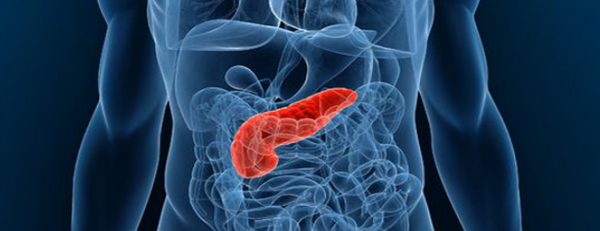
Alkaline phosphatase is a group of enzymes that are localized in almost all tissues of both adults and children. The highest concentration is observed in the liver, bones, and also in the pancreas. ALP consists of 11 isozymes. Their main task is to regulate the exchange of calcium and phosphorus in the body, as well as the splitting of bile. The activity of this group of enzymes increases significantly in a number of pathologies accompanied by inflammation or destruction of tissues of vital organs.
Alkaline phosphatase is most active in an environment with a pH of 8.6. When enzymes are found in organ cells, they act as a catalyst for some biochemical reactions. If these cells are destroyed, then the alkaline phosphatase will penetrate into the bloodstream.
In the human body, absolutely all cells are constantly renewed, therefore, a certain level of enzymes is maintained in the blood. This is a completely natural process that is inherent in any living being. But in the event that during a certain period of time there is a massive death of cells of one or another organ, the level of alkaline phosphatase in the bloodstream increases significantly. This phenomenon is observed with the progression of certain diseases in the child's body.
Normal blood counts
The level of alkaline phosphatase in the blood is constantly changing as the child's body grows. Therefore, it is important to know the normal values depending on age in order to determine if the child is progressing with any disease or is completely healthy.
Alkaline phosphatase rate by age:
- the first 5 days after the baby is born - about 250 U / l;
- 5 days - 231 U / l;
- from 6 days to six months - 449 U / l;
- from 6 months to 1 year - 462 U / l;
- from 1 to 3 years - 281 U / l;
- up to 6 children - 269 U / l;
- up to 12 years old - 300-560 U / l;
- during puberty, the indicators will differ slightly, depending on the sex of the child (for boys, the ALP should not exceed 390, and for girls - more than 187).
Both an increase and a decrease in the level of alkaline phosphatase indicate that changes are taking place in the child's body. And they are often pathological in nature. If a blood test was obtained on the hands, which indicated that the alkaline phosphatase was abnormal, this is a serious reason to consult a specialist. It may be necessary to undergo additional examination to identify the true cause of this condition and then eliminate it.
The table below shows the indicators of the norm of alkaline phosphatase in the blood:

Reasons for the increase in alkaline phosphatase
In adolescence, the increase in alkaline phosphatase is often physiological in nature. It is during this period of the child's development that the increased growth of the bones of the skeleton occurs. Once puberty is over, the enzyme levels will return to normal. In addition, the deviation of indicators from the norm may be due to an unbalanced diet, increased physical activity, as well as insufficient intake of vitamins and minerals.
Sometimes a short-term increase in the level of alkaline phosphatase is observed when the child takes certain groups of drugs, such as antipyretic, antibacterial, and some others.
The pathological reasons, which are indicated by an increase in the level of alkaline phosphatase in the blood, include diseases of vital organs and systems. An increase or decrease in these substances by 10 units is considered to be a deviation from the norm. T. Since most of the enzymes are localized in the bones, liver, kidneys and intestines, then they are examined first in a medical institution.
ALP in a child increases with the development of the following pathological processes:
- acute intestinal infection;
- liver damage;
- lymphogranulomatosis;
- inflammatory process in the gallbladder;
- multiple myeloma;
- Infectious mononucleosis;
- rickets;
- hyperparathyroidism;
- Paget's disease;
- bone fractures.

If, in the course of the diagnosis, all the indicated diseases were excluded by the doctor, then in this case, a malignant formation should be looked for. Especially if the ALP indicators have increased several times.
Signs of the presence of diseases of the internal organs
It is possible to suspect that a child is developing any pathology if you carefully monitor his general condition. An increase in alkaline phosphatase levels is not the only sign that something is wrong with your baby:
- Bone tissue pathologies. In this case, the child often complains that his legs or arms hurt. He cannot play active games for a long time, run, jump, because he gets tired quickly and needs to constantly rest. With a severe course of the disease, even deformation of the limbs is possible.
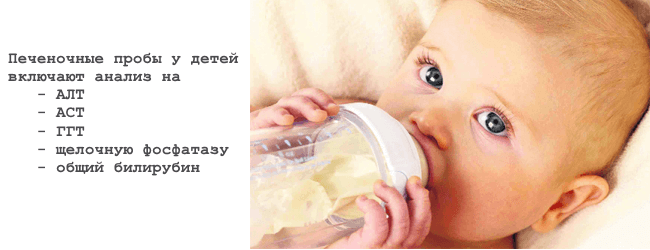
- Liver pathology. The kid becomes lethargic and lethargic. Refuses to eat. His body weight decreases. Nausea and vomiting may appear, the color of the skin may change - it acquires a yellow or brown tint. With certain diseases, nosebleeds sometimes occur. If you carry out a blood test, then along with an increased level of alkaline phosphatase, you can find out that the level of ALT is also deviated from the norm.
- Malignant neoplasms. For a long time, the tumor does not manifest itself at all. The child still leads a normal life. His condition worsens sharply - he becomes lethargic, loses his appetite, loses weight, gets tired quickly. To identify a neoplasm, it is necessary to conduct a thorough diagnosis, which will include both laboratory and instrumental techniques.
- Infectious mononucleosis. In this case, the first sign of the development of pathology is an increase in temperature. The baby himself becomes lethargic, naughty, does not want to eat. In addition, he develops a cough and sneezes frequently. If you examine his throat, you can note the appearance of a white plaque on the tonsils. Certain groups of lymph nodes are enlarged.
- Rickets. Young children are more susceptible to this disease. It develops due to insufficient intake of vitamin D. The first symptoms are increased sweating, hair loss in the occipital region of the head, hypotension of the muscles of the limbs. If the appropriate treatment is not carried out in time, then the skull and limbs will be deformed.
- Acute intestinal infections. This group includes a lot of diseases - rotavirus infection, salmonellosis, dysentery, yersiniosis and others. Symptoms are as follows - the temperature rises, the stomach hurts in all departments, nausea and vomiting, diarrhea appear. T. because the child loses a lot of fluid, the water balance is disturbed.
Video: Liver tests
In the presence of these symptoms, it is recommended not to self-medicate, but to immediately go to a medical institution for help. In childhood, many diseases are more severe, and the consequences from them can be dangerous. The sooner a particular disease is detected, the easier it will be to cure it and return the baby to normal life.
How to prepare for the test
To get accurate results of the study on ALP, you should properly prepare. Blood is drawn from a vein. It is important to calm the child down before the procedure. It is better if he spends at least 15 minutes in a calm state.
Preparation rules:
- donate blood on an empty stomach, you can take food for the last time 8 hours before the analysis;
- on the day of donating blood, it is recommended not to give the baby any medications, if this is not possible to do, then what kind of drugs were taken, it is imperative to inform your attending physician;
- the child, before taking blood, can only drink mineral non-carbonated water, juices and other drinks are excluded for this period.
Before conducting the study, it is better not to take the child for x-rays and physiotherapy.
What to do if alkaline phosphatase is elevated
First of all, the doctor will be tasked with finding out what exactly provoked the deviation from the norm. Once the diagnosis is made, an effective treatment plan is drawn up.
With rickets, the child is prescribed to take vitamin D, massage and gymnastics. Additionally, they can prescribe a course of ultraviolet radiation, as well as therapeutic baths. If the reason for the increase in alkaline phosphatase are bone diseases, then they resort to drug therapy. Drugs are prescribed depending on what exactly triggered the pathology. Most often they resort to antibiotics, bisphosphonates. Surgical intervention is performed according to indications. The rehabilitation period includes massage, physiotherapy and therapeutic exercises.

Rickets in a child
In the treatment of liver diseases, diet therapy occupies a special place. Without observing food restrictions, it is impossible to completely get rid of pathologies. Also, medications are prescribed - diuretics, hepatoprotectors, antibiotics and others.
Treatment of malignant neoplasms largely depends on at what stage of their growth they were identified. At 1-2 stages, she uses radiation and chemotherapy. They help in the success of treatment. Surgical removal of the tumor is performed according to indications. Treatment of oncology at 3 stages involves a combination of chemotherapy and surgery. But the chances of getting rid of the tumor completely are lower. Stage 4 palliative oncology therapy. There is no way to cure her. The tumors are not resectable.
Prevention
There is no specific prophylaxis. It is possible to prevent the development of various diseases of internal organs in a child if you follow simple recommendations:
- enrich the baby's diet with vitamins and minerals;
- for the purpose of prevention, take vitamin D;
- physical activity should be normalized;
- the child should spend more time outdoors;
- make sure that the baby does not eat junk food - crackers, chips, fast food;
- do not self-medicate, you can not give your child medications without consulting your doctor;
- teach the rules of hygiene.
It is impossible to save a child from everything in the world. But to reduce the likelihood that he will fall ill with any dangerous disease, it is quite within the power of parents. The main thing is to devote more time to the baby and carefully monitor his health. If you feel worse, you should seek help from a medical institution.
Read also: A child's stomach hurts in the morning