Amyloidosis: what is it, causes, symptoms, treatment, prognosis
Content
- What is amyloidosis?
- Signs and symptoms
- Causes and risk factors
- Affected populations
- Related disorders
- Diagnostics
- Standard treatments
- Forecast
What is amyloidosis?
Amyloidosis is a systemic disease that is divided into many types and is characterized by damage to the parenchymal organs (i.e., the thyroid gland, lungs, kidneys, spleen, liver). The result of improper formation and excessive accumulation in the intercellular space of a complex low molecular weight, insoluble protein, or so called a protein-polysaccharide complex, serves as sclerosis and tissue atrophy, and as a consequence leads to a deficiency of the above organs.
This pathology is relatively young and was identified by the German scientist M.Ya. Schleiden. in 1983, which proved the participation of coarse proteins in the formation of amyloid.
Types of amyloidosis:
- AL amyloidosis (primary) is the most common type of systemic amyloidosis. AL amyloidosis results from an abnormality (dyscrasia) of a type of white blood cell called plasma cells in the bone marrow and is closely associated with multiple myeloma.
- AA amyloidosis (secondary) comes from the serum inflammatory protein amyloid A. AA amyloidosis occurs in connection with a chronic inflammatory disease such as rheumatic diseases, chronic inflammatory bowel disease, tuberculosis or empyema.
- AF amyloidosis (Mediterranean intermittent fever) — hereditary form of amyloidosis, with an autosomal recessive transmission mechanism. This type of amyloidosis affects people belonging to certain ethnic groups living along the Mediterranean coast (Sephardic Jews, Greeks, Arabs, Armenians). There are varieties of amyloidosis that are characteristic for a particular geographic area: "Portuguese amyloidosis" (with a predominant lesion of the nerves of the lower extremities), "American amyloidosis "(with a predominant lesion of the nerves of the upper extremities), familial nephropathic amyloidosis, or" English amyloidosis ", occurring with symptoms of urticaria, deafness and fever.
- AH amyloidosis - observed exclusively in patients on hemodialysis. The pathogenesis is associated with the fact that microglobulin beta-2 class MHC I, normally utilized by the kidneys, is not filtered in the hemodialyzer and accumulates in the body.
- AE amyloidosis - a form of local amyloidosis that develops in some tumors, for example, in medullary carcinoma of C-cells of the thyroid gland. In this case, pathological fragments of calcitonin are the precursor of amyloid.
- ASC1 amyloidosis - senile systemic amyloidosis. The precursor of the fibrillar protein ASC1 is serum prealbumin. It is believed that in connection with the violation of the metabolism of prealbumin in old and senile age, the tendency to form a mutant protein from the circulating blood increases.
- Aβ-amyloidosis - observed at Alzheimer's disease, sometimes family cases.
- AIAPP amyloidosis - observed at type 2 diabetes and insulinoma.
- Finnish type amyloidosis - a rare type of disease that occurs as a result of a mutation in the GSN gene encoding the jelsolin protein.
Read also:Vasculitis (angiitis): what is it, causes, symptoms (photo), types of angiitis, treatment
Signs and symptoms
The clinical symptoms of amyloidosis can be varied and depend on the severity and localization. amyloid deposits, biochemical composition of amyloid, duration of the disease, degree of dysfunction organs. The latent period of amyloidosis, when glycoprotein deposits can be detected only microscopically, does not differ in the development of significant signs. As the functional failure of the affected organ progresses, the clinical symptoms of the disease increase.
With amyloidosis of the kidneys long-term current stage of moderate proteinuria is replaced by the emergence of nephrotic syndrome. The transition to the expanded stage may be associated with a postponed intercurrent infection, vaccination, hypothermia, exacerbation of the underlying disease. The patient has a gradual increase in edema, the occurrence of nephrogenic arterial hypertension and renal failure. Sometimes renal vein thrombosis develops. Massive protein loss is accompanied by the development of hypoproteinemia, hyperfibrinogenemia, hyperlipidemia, azotemia. Micro-, sometimes gross hematuria, leukocyturia are found in urine.
With amyloidosis of the heart development of restrictive cardiomyopathy with typical clinical signs - cardiomegaly, arrhythmiaprogressing heart failure. The patient appears dyspnea, swelling, weakness that occurs even with minor physical exertion. In rare cases, with amyloidosis of the heart, polyserositis occurs, manifested by the occurrence of ascites, exudative pleurisy and pericarditis.

Digestive system damage with amyloidosis, it is characterized by amyloid infiltration of the tongue, esophagus, stomach, intestines. Gastrointestinal bleeding is possible. With amyloid infiltration of the liver, hepatomegaly, cholestasis, portal hypertension. The defeat of the pancreas in this pathology can be disguised as chronic pancreatitis.
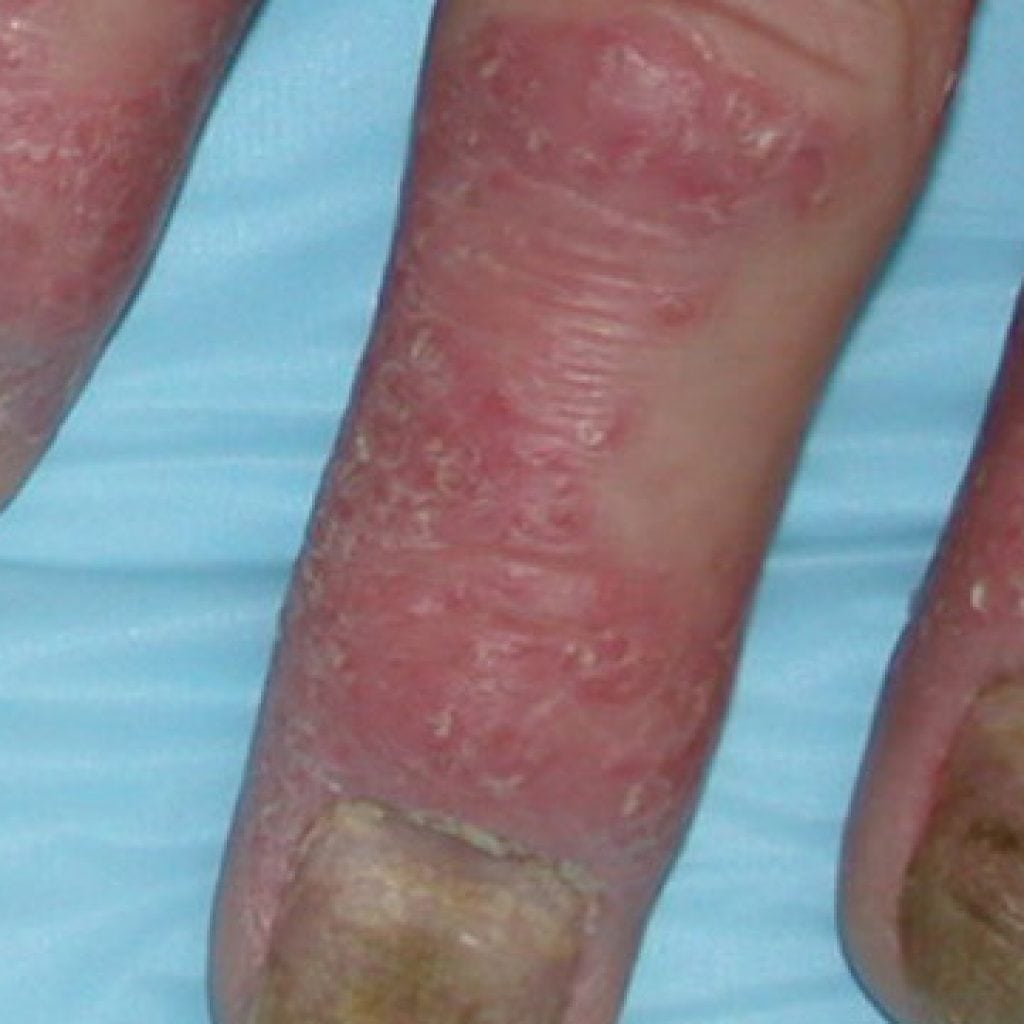
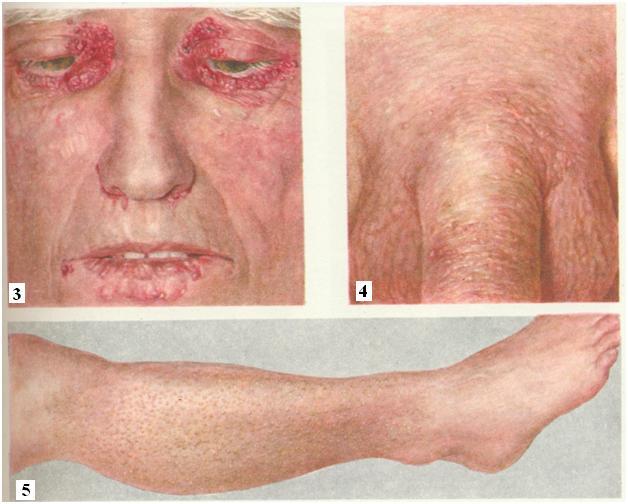
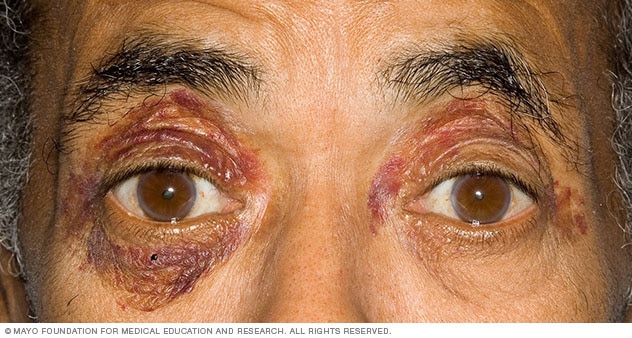
Skin amyloidosis characterized by the appearance of multiple waxy plaques in the face, neck, natural skin folds. Outwardly, skin lesions may resemble scleroderma, neurodermatitis or lichen planus.
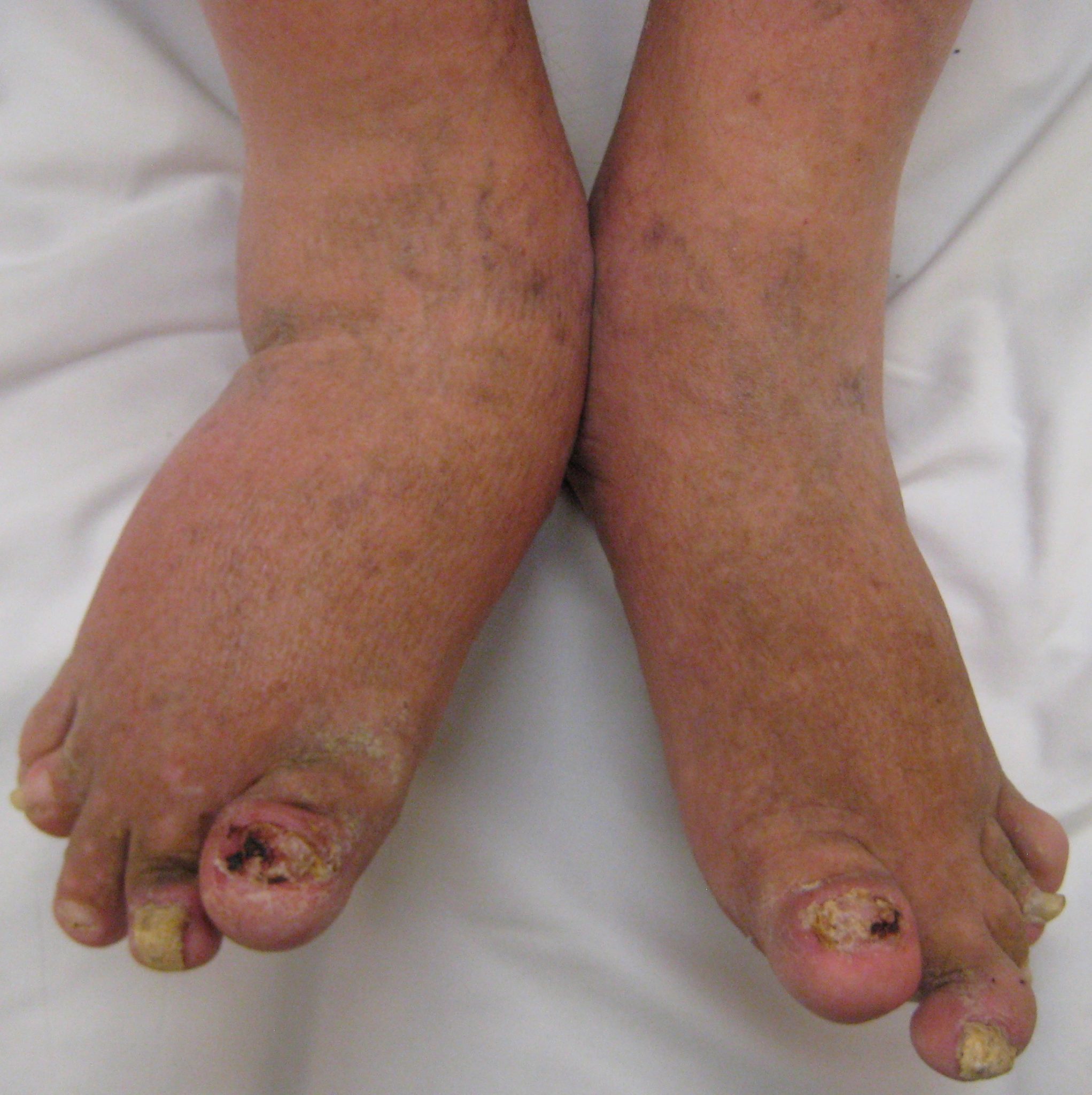
With joint damage, the development of symmetric polyarthritis, carpal tunnel syndrome, humeral-scapular periarthritis, and myopathy is typical. Certain forms of amyloidosis associated with damage to the nervous system may be accompanied by the development polyneuropathy, paralysis of the lower extremities, headaches, dizziness, orthostatic hypotension, sweating, dementia.
Read also:Osteoarthritis (arthrosis)
Causes and risk factors
The reasons for the development of primary amyloidosis are currently not fully understood. It was found that the development of secondary amyloidosis is usually associated with chronic infectious diseases (tuberculosis, syphilis, actinomycosis) and pyoinflammatory diseases (osteomyelitis, bronchiectasis, bacterial endocarditis), less often the disease is associated with tumor processes (lymphogranulomatosis, leukemia, cancer of the visceral organs).
The development of the reactive form of amyloidosis affects persons suffering from atherosclerosis, psoriasis, rheumatic diseases, such as rheumatoid arthritis, ankylosing spondylitischronic inflammatory diseases such as nonspecific ulcerative colitis, Crohn's disease, with multisystem lesions such as Whipple's disease or sarcoidosis.
Risk factors for amyloidosis can be hyperglobulinemia, impaired functioning of cellular immunity, hereditary predisposition
Affected populations
It is estimated that about 4,000 new cases of AL amyloidosis are reported annually, although the actual incidence may be slightly higher as a result of insufficient diagnosis. Although the incidence is believed to be the same in men and women, about 60% of patients admitted to the centers are men. AL amyloidosis occurs in people in their 20s, but is usually diagnosed between the ages of 50 and 65.
People at risk of developing AA amyloidosis include people with chronic inflammatory conditions such as rheumatoid arthritis, psoriatic arthritis, chronic juvenile arthritis, ankylosing spondylitis in children, inflammatory bowel disease.
People with chronic infectious diseases such as tuberculosis, leprosy, bronchiectasis, chronic osteomyelitis and chronic pyelonephritisare also at risk. Secondary amyloidosis (AA) occurs in less than 5% of people with these conditions.
Related disorders
The following disorders may be associated with amyloidosis. Amyloidosis can occur in combination with or as a result of the following disorders:
Multiple myeloma, lymphoma, Hodgkin's lymphoma, medullary thyroid carcinoma, Whipple's disease, Crohn's disease, osteomyelitis, rheumatoid arthritis, ankylosing spondylitis, Reiter's syndrome, psoriatic arthritis, tuberculosis, macrobolism, congenital purulent-venous disease (congenital intestinal hyperplasia, hereditary congenital rigidrocytogenesis)
Read also:Temporal arteritis
Diagnostics
Particularly in the case of AL amyloidosis, early diagnosis is key to survival and restoration of quality of life after treatment. The diagnosis of amyloidosis is suspected after detailed patient history and clinical evaluation, but requires abdominal fat aspiration and / or biopsy of the involved organ.
If the disease is clinically suspected, a biopsy of the affected organ will give the best result.
The biopsy material is examined under a microscope and stained with a dye that will give off green when viewed under a polarizing microscope if amyloid is present. When amyloidosis is diagnosed with a tissue biopsy, it is important that the victim is further examined to determine which organs are affected.
In people on long-term dialysis or end-stage renal failurelaboratory tests may be done that may analyze blood or urine samples to detect elevated levels of B2M protein.
Standard treatments
In most cases, amyloidosis is treated at home. In the presence of complications, the patient may be shown hospitalization.
Therapy for amyloidosis includes taking medications and following a number of doctor's recommendations. But in severe cases, the spleen is removed, and kidney or liver transplantation may be required.
The list of drugs depends on the localization of deposits, the degree of damage to the body, existing complications. So, with secondary amyloidosis, specific treatment of the primary disease is necessary. In addition, drugs are prescribed to eliminate symptoms.
Also, the patient is often shown a special diet (limiting the intake of protein and salt).
There is no specific prophylactic program for amyloidosis, since the exact causes of the disease are unknown.
Forecast
The prognosis depends on the type of amyloidosis and the affected organ system, but with appropriate pathogenetic treatment and supportive therapy, the life expectancy of many patients is quite long.
The average life expectancy of patients with AA amyloidosis is estimated to be 10 years. The most common cause of death is kidney failure. Untreated patients with AL amyloidosis live for about a year from diagnosis. The prognosis worsens the damage to the cardiovascular system.