Rheumatoid arthritis: what is it, symptoms, how to treat, photo
Content
- What is Rheumatoid Arthritis?
- How does rheumatoid arthritis progress over time?
- Who is suffering from the disease?
- Symptoms
- Physical symptoms of rheumatoid arthritis
- Emotional symptoms of rheumatoid arthritis
- Causes and risk factors for RA
- Genetic predisposition
- Environmental and lifestyle factors
- Hormonal imbalance
- Infections and the microbiome
- Diagnostics
- Swelling of the joints
- Blood analysis
- Imaging research methods
- Physical examination and patient history
- Treatment for rheumatoid arthritis
- Treatment of RA with drugs
- Exercise and maintaining a healthy weight
- Healthy food (diet)
- Surgery for RA
- Endoprosthetics
- Arthrodesis
- Synovectomy
- Related Videos
What is Rheumatoid Arthritis?
Rheumatoid arthritis (RA) is a chronic autoimmune disease that causes the body's immune system "Go crazy" and attack your own tissues, including the delicate connective tissues that encapsulate most joints.
RA can affect almost any joint in the body, but initially it affects the joints of the wrists, fingers, heels, and / or knees. In addition to inflammation, stiffness, and dreadful joint pain, rheumatoid arthritis can cause fever and fatigue and potentially lead to long-term joint deformity.
Doctors believe that early diagnosis and treatment is critical to limiting possible tissue damage and preserving joint function, but the diagnostic process can be challenging.
There is no single laboratory test that can diagnose RA completely, and the onset of the disease can vary significantly: some people may develop replacement, stiffness in joints of the wrist and fingers for many months, while in other people ghosts of fatigue, fever and severe inflammation of the knee may appear in a week or even in night.
How does rheumatoid arthritis progress over time?
Whether symptoms appear gradually over several months or rapidly over several weeks, the disease follows the same progression:
- The synovium becomes inflamed. Rheumatoid arthritis is initially characterized by inflammation of the inner layer of the bursa (synovium). The synovium extends throughout the body and encapsulates (insulates) the joints and tendons. With its inflammation, a person feels pain, stiffness and swelling of the joint. This condition is called synovitis.
- Pannus is forming. The inflammation causes the cells in the synovial tissue to divide and multiply, which causes the synovium to thicken and lead to more swelling and pain. As cell division continues, cell growth expands in the articular space. This new tissue (granulation tissue) is called pannus or rheumatoid pannus.
- Damage to cartilage and other tissues of the joints. Pannus releases enzymes that damage cartilage and underlying bone tissue. Over time, the damage will cause joint decay, lead to further pain and, in some cases, cause deformity.
Not all of the synovium in the body will undergo these changes at the same time. Rheumatoid arthritis usually affects certain joints.
Who is suffering from the disease?
It is estimated that between 0.5% and 1.9% of the world's population aged 18 and over suffer from rheumatoid arthritis.
Although accurate cause of rheumatoid arthritis unknown, experts believe a combination of genetic, environmental, and hormonal factors is to blame.
Disease on 2-3 times less common in women, and the age of onset of symptoms usually varies between 40-60 years.
Symptoms
People with rheumatoid arthritis can show both physical and emotional symptoms.
Physical symptoms of rheumatoid arthritis
RA often affects the joints of the fingers and wrists, although primary symptoms may involve the joints of the foot, knee, ankles, or other joints.
Over time, the disease can affect more joints, most often the joints of the neck and cervical spine, shoulders, elbow, ankles, jaw, and even joints between very small bones in the inner ear.

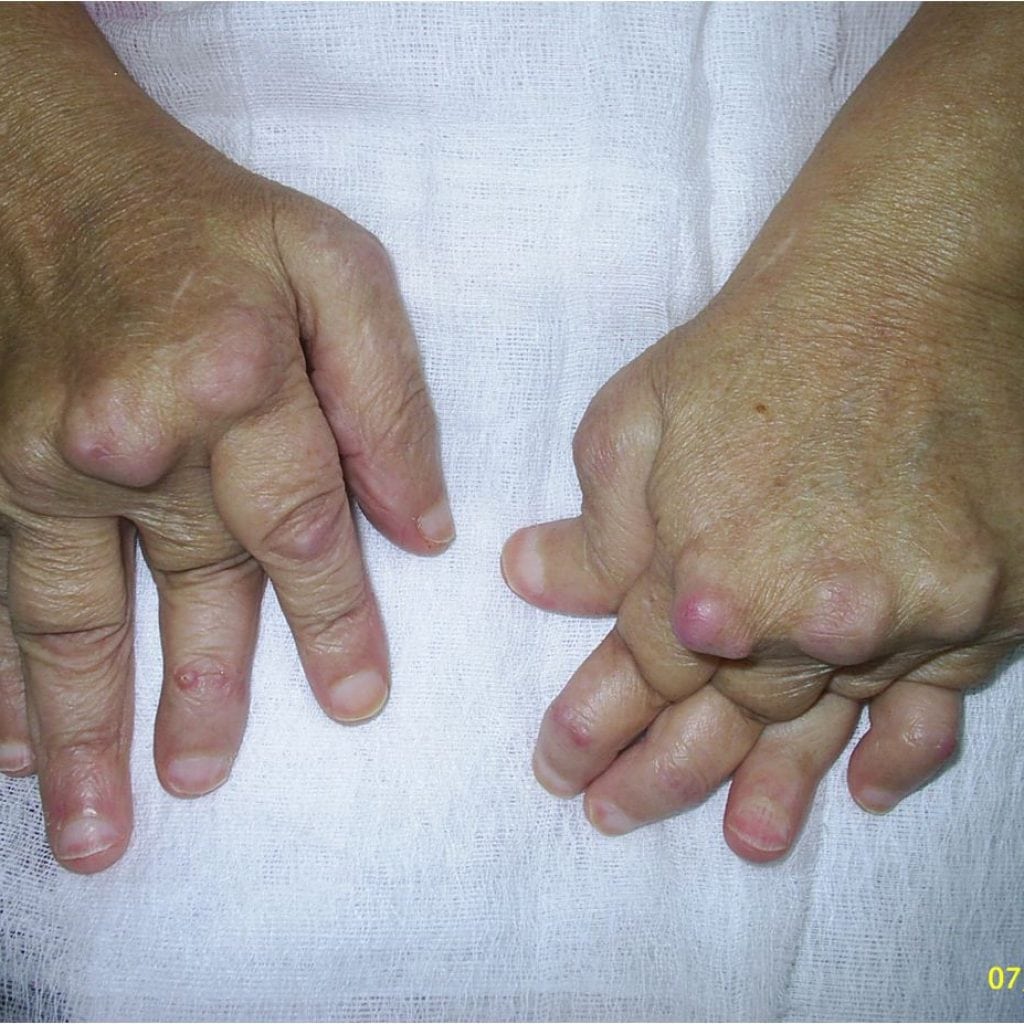

In addition to pain and stiffness in movement associated with swelling and inflammation of the affected joint, common symptoms of rheumatoid arthritis can include:
-
Joint pain with characteristic features:
- swelling;
- redness;
- heat (feeling as if the hand or fingers are on fire);
- the affected area has difficulty bending or unbending (eg, knee, hands);
- pain can be symmetrical (for example, both right and left wrist hurts).
- Carpal tunnel syndrome (carpal tunnel syndrome) caused by inflammation of the RA in the wrist (rare).
- Tenosynovitis - inflammation of the thin lining of the tendon in the hand. One study found that tenosynovitis is a serious sign of rheumatoid arthritis.
- Constant stiffness in the morning, lasting 1-2 or more hours. Stiffness can also appear after mild to moderate activity.
- Excessive, full body fatiguenot related to physical activity or sleep.
- Low-grade fever (low-grade fever), which is always present, well, or almost always.
- General feeling of unwell or flu-like symptoms.
- Unexpected weight loss and loss of appetite.
- The overall functionality of the joints decreases, which makes it difficult to perform the simplest tasks (for example, open a can or turn the ignition key in a car); pain can occur when grasping and holding heavy objects, and it can also occur at rest.
- Feeling of grinding. It occurs when soft tissue is damaged when the bones of the joint rub against each other.
- Rheumatoid nodulesforming under the skin. These nodules are hard bumps, pea-sized to the size of a walnut, and most commonly occur on or near the elbows, toes.
Read also:Guillain-Barré Syndrome (GBS)
The symptoms of rheumatoid arthritis are individual and affect everyone in different ways: some people experience persistent discomfort while others experience prolonged periods of minor symptoms, punctuated by painful flashes.
Emotional symptoms of rheumatoid arthritis
In addition to the physical symptoms, patients with rheumatoid arthritis may also experience associated problems such as:
- depression or anxiety;
- sleep problems;
- feelings of helplessness;
- low self-esteem.
The combination of physical and emotional signs of RA disease can penetrate into a person's work life, social and family life.
Fortunately, early diagnosis and appropriate treatment interventions such as medication and treatment physical education (exercise therapy), and / or lifestyle changes will help support an active, productive life for most people.
Causes and risk factors for RA
Scientists do not understand why people suffer from rheumatoid arthritis so often, but years of research show that people are most susceptible to the disease:
- genetically predisposed to RA;
- exposed to harmful environmental factors (for example, smoking);
- people experiencing significant hormonal imbalance;
- an imbalance of the intestinal microflora that occurs naturally from birth or is caused by an intestinal infection.
Many scientists and doctors believe that RA most likely develops in most cases in people who are genetically predisposed to the disease, are exposed to certain environmental factors, experience hormonal changes and / or are subject to intestinal imbalances microflora.
Genetic predisposition
A specific gene (antigen) associated with rheumatoid arthritis, HLA-DR4, is found in 60% -70% of people with the disease. But in general, only at 20% population of the earth.
Although the presence of this specific genetic marker increases the likelihood of developing rheumatoid arthritis, it is far from an accurate sign. In fact, most doctors do not test for this gene when diagnosing rheumatoid arthritis.
Environmental and lifestyle factors
Daily habits seem to have some impact on the risk of rheumatoid arthritis. The best known research in this area focuses on smoking, diet and human weight.
Smoking and exposure to nicotine. One of the most significant causes of rheumatoid arthritis is exposure to nicotine, particularly smoking.
Although the direct effects of cigarettes have not been fully proven, long-term smoking is believed to play a role in increasing concentration rheumatoid factor, protein (IgM immunoglobulin antibodies). Availability rheumatoid factor (IgM antibodies) in the blood is a sign that the immune system may be malfunctioning.
Nutrition / Diet. It is unclear exactly how diet affects a person's risk of developing rheumatoid arthritis. A large clinical study conducted with 121 thousand people. women for decades, suggests that:
- Regular consumption of sugary soda increases your risk of developing RA.
- A Mediterranean diet that encourages the consumption of vegetables, fruits, beans, and whole grains does not affect a woman's risk of developing rheumatoid arthritis.
- Drinking coffee and tea (both caffeinated and decaffeinated) does not correlate with the development of the disease.
- Moderate alcohol consumption does not affect the development of the disease in women, and may even reduce the risk of the disease.
Body weight. People who are overweight or obese are more likely to develop rheumatoid arthritis.
One American study found that being overweight increases the risk of developing RA in women, but actually decreases the risk of developing it in men. More research is needed in this area so far.
Although smoking, diet, and being overweight all affect the overall risk of developing RA, there is no specific association with the disease - most people who are overweight and who smoke do not suffer from rheumatoid arthritis.
Hormonal imbalance
The fact that women are more likely to suffer from rheumatoid arthritis suggests that hormones are a major factor in the development of the disease. This idea is further supported by the fact that RA symptoms subside during pregnancy and flare up again after the baby is born.
There is also evidence that women with irregular periods or early menopause are at increased risk of developing RA.
In addition to the natural fluctuations of hormones, hormonal drugs and birth control also contribute to the development of the disease. Oral contraceptives containing doses of female sex hormones (progestin and estrogen) increase the likelihood of a woman developing rheumatoid arthritis.
Infections and the microbiome
Some scientists are studying the link between bacterial and viral infections and the development of rheumatoid arthritis. Clinical studies have shown that an association between RA and certain infections and viruses, such as gingivitis, Epstein-Barr virus (EBV) and chronic hepatitis C is.
In addition, some scientists have suggested that the human microbiome may influence the development of RA.
Microbiome human - a collection of microorganisms, viruses, bacteria and fungi that live in the mouth, intestines, respiratory tract and other parts of the body.
At least in the body of every person, there are more than 1000 different microorganisms. Microorganisms affect many processes in the human body, including metabolism and the immune system.
Read also:What is CMT physiotherapy (amplipulse therapy), which diseases are treated
While experts have identified a possible link between infection, the microbiome, and RA, there is no evidence to point to an obvious cause. Research in this area is ongoing.
Diagnostics
A significant amount of joint damage can occur during the first two years of activity rheumatoid disease, so early diagnosis and treatment can significantly affect the prognosis the patient.
However, rheumatoid arthritis can be very difficult to diagnose because:
- There are no uniform physical examinations or laboratory tests to diagnose RA.
- RA symptoms often mimic other medical conditions such as lupus, systemic sclerosis (scleroderma), psoriatic arthritis and polymyalgia rheumatica. In addition, rheumatoid arthritis can result from viral infections, in particular parvovirus infections, making diagnosis difficult.
Due to the difficulties in diagnosing the disease, experts recommend a diagnostic assessment to be carried out by a rheumatologist or a doctor with extensive experience with rheumatic diseases.
To help clinicians make early diagnosis, the American College of Rheumatology and the European League Against rheumatism (EULAR), back in 2010, collaborating side by side created criteria for the classification of rheumatoid arthritis.
Unlike previous criteria set in 1987, the 2010 guidelines do not require the presence of rheumatoid nodules, symmetrical joints or articular erosions visible on radiography or other imaging methods of medical research (MRI, ultrasound, etc.), which are usually not observed in the early stages of rheumatoid arthritis. The 2010 criteria are described below.
An overall score of 6 or more points to rheumatoid arthritis.
| Damaged joints | |
| 0 points | 1 large joint |
| 2 points | 1 to 3 small joints (not including large joints) |
| 3 points | 4 to 10 small joints (not including large joints) |
| 5 points | More than 10 joints, including at least one small joint |
| Duration of symptoms | |
| 0 points | The person has had their first symptoms in less than 6 weeks |
| 1 point | The person has had symptoms for 6 weeks or more |
| Serology | |
| 0 points | Negative Results: Analyzes are negative for both anticitrulline protein antibodies (called ACCP, usually using an anti-CCP assay) and rheumatoid factor (RF) |
| 2 points | Low Positive Results: Tests show slightly elevated ADC or RF levels |
| 3 points | High Positive Results: Tests show elevated ADC or RF levels |
| Acute Phase Reagents (Acute Inflammatory Phase Proteins) | |
| 0 points | Normal C-reactive protein (CRP) and normal levels erythrocyte sedimentation rate (ESR) |
| 1 point | Abnormal CRP or abnormal ESR |
Serology and acute phase reagents are measured using blood samples. Points can be added over time or retrospectively.
Swelling of the joints
In people with rheumatoid arthritis, it is common for multiple joints to experience active synovitis symptoms lasting 6 weeks or more.
Synovitis is an inflammation of the articular synovium and symptoms can include swelling, redness, fever, pain, and stiffness, especially after long periods of rest.
Blood analysis
There is no single laboratory test that can definitively diagnose rheumatoid arthritis. However, there are several blood tests available to detect changes in the body that would indicate rheumatoid arthritis.
Commonly used blood tests detect the presence of rheumatoid factor (RF), an antibody to a cyclic citrullinated peptide (called ACCP or anti-CCP) and inflammatory markers, such as sedimentation rate of erythrocytes (ESR) and C-reactive protein (SRB).
These tests are also used to diagnose other inflammatory diseases - for example, CRP tests can help diagnose heart disease.
Imaging research methods
The physician may refer the patient to an imaging diagnostic method if the patient's clinical assessment and laboratory tests did not provide sufficient information to diagnose or rule out rheumatoid arthritis. Imaging will allow the doctor to see if there is joint damage.
- Ultrasound procedure. This ultrasound imaging technology is used to detect inflammation of the thin synovium that encapsulates some joints and tendons. This inflammation, called synovitis, is the first symptom of rheumatoid arthritis. Ultrasound can also detect tenosynovitis in the fingers, which is also considered an early sign of RA.
- X-ray. In the early stages of rheumatoid arthritis in a person, only soft tissue swelling may appear, which are not detected on the X-ray, therefore, with early diagnosis, to the X-ray rarely resort. X-rays are usually used when the disease progresses. X-rays can help detect bone damage (erosion) resulting from prolonged / prolonged rheumatoid arthritis. It can also detect narrowing of the joint space caused by cartilage degradation and bone-to-joint convergence.
- Magnetic resonance imaging (MRI). Like ultrasound, MRI can detect inflammation and other changes in the soft tissues of the joint before bone erosion occurs. In addition, an MRI can show how much bone is damaged. The disadvantage of MRI is that it is more labor intensive and expensive than ultrasound and X-rays. As a rule, MRI is rarely used and is recommended only in cases where radiography and ultrasound have not been helpful.
Physical examination and patient history
The appointment will most likely begin with the doctor taking a close look at the medical history, asking the patient to describe his (her) symptoms by asking questions:
- Which joints hurt?
- How would you describe the pain (eg, dull, shooting, or cutting, persistent or intermittent pain)?
- Have morning stiffness?
- Have you noticed increased fatigue or changes in weight?
- Are you experiencing other symptoms besides joint pain?
- When did the first signs begin?
- How have symptoms changed over time?
- What makes a patient feel better or worse? (for example, doing manual labor).
Read also:X-linked myopathy with excessive autophagy
Patient history:
- Other medical problems of the patient;
- Previous diseases and methods of their treatment;
- Taking current medications;
- Family history (family history of illness).
During a physical exam, the doctor assesses the patient's general condition and then switches directly to the joints looking for signs of joint inflammation.
Treatment for rheumatoid arthritis
Treatment usually includes a combination of drugs, exercise, diet, and lifestyle changes. The goal of therapy is:
- Controlling symptoms such as pain and fatigue
- Preventing further damage to joints and other tissues;
- Improve the general health and well-being of patients.
Almost all patients with rheumatoid arthritis are cured, but patients who receive timely treatment within the first two years after the onset of the first symptoms tend to heal faster. Timely measures taken reduce the risk of developing serious joint damage and disability.
Treatment of RA with drugs
People with rheumatoid arthritis usually take at least one medication. Medicines used to treat rheumatoid arthritis fall into five main categories:
- NSAIDs such as Naproxen (or Aleve and Naprosyn can be tried from the same), Meloxicamum and Celecoxibum;
- Corticosteroids such as Prednisonum
- Disease-modifying antirheumatic drugs (DMARDs or basic antirheumatic drugs), such as Methotrexate (Methotrexatum);
- Biologics that suppress the activity of the immune system, such as Adalimumab (Humira), Etanercept, or Infliximab
- Janus kinase (JAK) is the most recent category of drugs to be approved for the treatment of RA. In 2016, the FDA approved JAK inhibitors (tofacitinib citrate).
Treatment for rheumatoid arthritis begins, usually with methotrexate or other disease-modifying antirheumatic drugs (DMARDs).
The first results from drugs can be seen after a few weeks or months, while corticosteroids can also be temporarily prescribed to relieve symptoms.
If symptoms persist within a reasonable amount of time, your doctor may prescribe methotrexate or another DMARD along with other medicines.
Over the course of several months or years, the medication may become less effective or cause side effects, and the doctor will prescribe a new medication.
It is important to follow the recommendations for medication treatment! Some people tend to skip their medication due to fear of side effects and related consequences. Others may simply forget to take their medication at the scheduled time. If the medication is not taken properly (as directed by the doctor), therapy will be less effective.
Exercise and maintaining a healthy weight
Moderate exercise such as walking, swimming, yoga, and tai chi is often recommended for treating rheumatoid arthritis. Regular exercise can help strengthen weak joints and relieve pain. Regular exercise will help raise:
- muscle strength;
- overall functionality and flexibility of the joints;
- sleep quality;
- healthy weight;
- cardiovascular health.
Keeping weight and cardiovascular health at an adequate level is especially important for patients with RA because they are at increased risk of developing heart disease.
In addition, RA patients who are overweight or obese have much more problems.
Healthy food (diet)
Many experts believe there is some connection between inflammation and nutrition. For people suffering from RA, they recommend sticking to anti-inflammatory a diet high in omega-3 fatty acids, fresh vegetables and fruits.
Surgery for RA
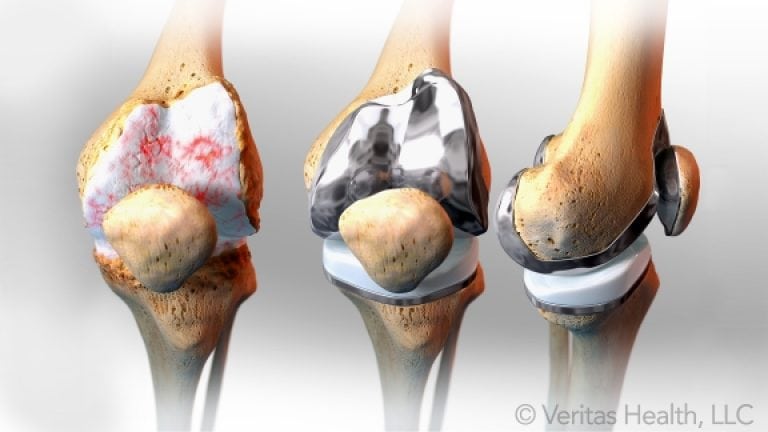
Most people with rheumatoid arthritis have not had to be treated with surgery, but, like people with osteoarthritis, patients with RA may choose to have surgery to reduce joint pain and improve the quality of daily life. life.
The most common surgeries are arthroplasty, arthrodesis and synovectomy.
Endoprosthetics
Patients can undergo endoprosthetics (surgery to replace joint components with implants) of the joints of the shoulders, hips or knees, as well as small joints of the fingers and toes.
Arthrodesis
In this procedure, the damaged joint is removed and the adjacent bones are joined together. The procedure significantly restricts movement, but increases stability and reduces pain in the affected joints.
Arthrodesis is most commonly used to treat arthritis in the ankles, wrists, and fingers.
Arthrodesis sometimes requires the use of bone grafts obtained from the patient's own pelvis. It is also used to relieve pain from the joints of the spine, only in this case, the procedure is called fusion.
Synovectomy
During this procedure, the surgeon removes the inflamed synovium around the joint. By removing the damaged tissue, it is intended to reduce or eliminate all symptoms in the patient. However, not all tissue can be removed, so inflammation, swelling, and pain may come back.