Vasculitis: what kind of disease is it, how to treat it, types and symptoms of the disease
Vasculitis (synonyms angiitis, arteritis) is a painful process characterized by inflammation in the blood vessels. The disease occurs when your immune system mistakenly attacks your blood vessels. This can happen as a result of infection with viral infections, a side effect of certain drugs, or a reaction to other diseases and painful processes in the body.
"Inflammation" refers to the body's response to injury, including damage to blood vessels. The inflammation can be accompanied by pain, redness, swelling, and loss of function in the affected tissues.
In vasculitis, inflammation can lead to serious problems. Complications depend on which blood vessels, organs, or other body systems are affected.
Content
- General idea
- Symptoms
- Forecast
- Types of vasculitis
- Behcet's disease
- Kogan syndrome
- Giant cell arteritis
- Polymyalgia rheumatica (RP)
- Takayasu's arteritis
- Angiitis of medium-sized vessels
- Burger's disease
- Central nervous system angiitis
- Kawasaki disease
- Polyarteritis Nodosa
- Angiitis of small vessels
- Eosinophilic granulomatosis with polyangiitis
- Cryoglobulinemic vasculitis
- Vasculitis with IgA immune deposits (hemorrhagic vasculitis)
- Allergic angiitis
- Microscopic polyangiitis
- Treatment
- Video
General idea
Vasculitis can affect any of the body's blood vessels. These include arteries, veins, and capillaries. Arteries carry blood from the heart to the organs in your body. Veins carry blood from your organs and limbs back to your heart. Capillaries connect small arteries and veins in your body.
If a blood vessel becomes inflamed, it narrows or clogs, restricting or obstructing blood flow to other vessels. In the process, the blood vessels stretch and weaken, creating bulges that can be seen on the skin with the naked eye. These bulges are called an aneurysm.
Symptoms
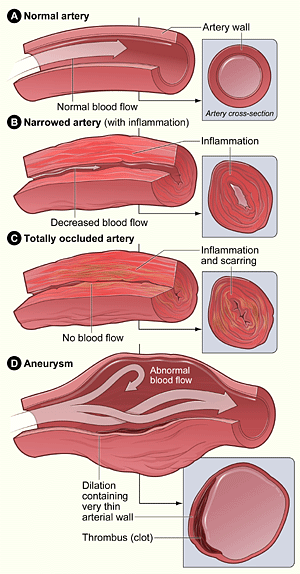
The impaired circulation caused by inflammation can damage organs in the body. Signs and symptoms depend on which organs were damaged and the extent of the damage.
Typical symptoms of inflammation and damage to the walls of blood vessels:
- fever;
- swelling;
- general malaise and pain.
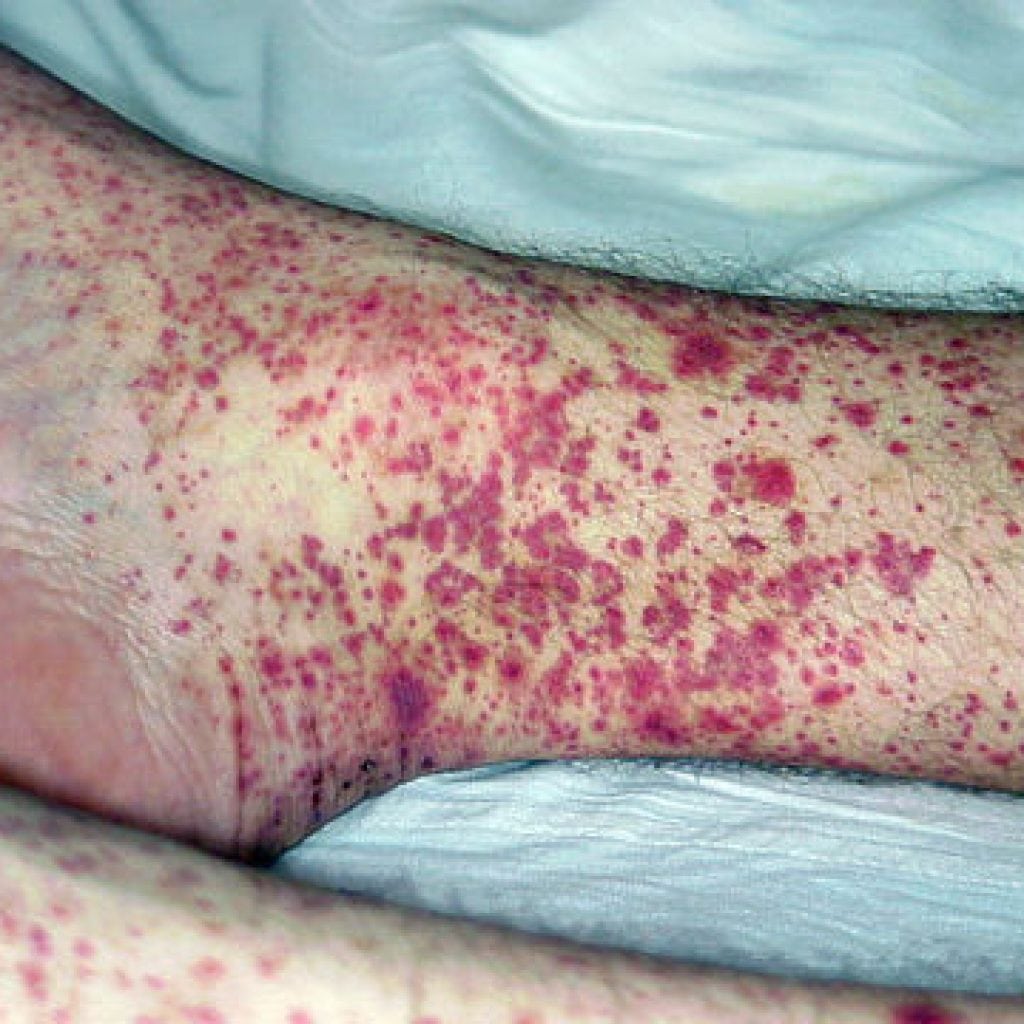
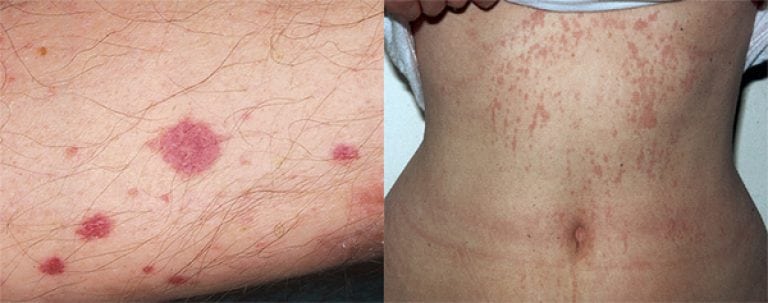
Photos of people with angiitis:


Forecast
There are many types of vasculitis, but in general, the condition is rare. If you have angiitis, your prognosis depends on:
- Vasculitis type;
- What parts of the body are affected;
- How quickly the condition worsens;
- The severity and severity of your condition.
The disease responds well to treatment if it is started in a timely manner. In some cases, vasculitis may go into remission. "Remission" means "decrease, weakening" of the ongoing disease process, but it can also return at any time.
Sometimes vasculitis is chronic (prolonged) and does not go into remission. Long-term medication can often control the signs and symptoms of chronic vasculitis.
Rarely, but it happens that angiitis responds poorly to treatment, this can lead to disability and even death.
Much is still unknown about vasculitis. However, scientists continue to study what this disease is and its different types, causes and treatments.
Types of vasculitis
There are many types of angiitis. Each type is accompanied by inflammation of the blood vessels. However, most species differ in who they affect and which organs they affect.
The types of vasculitis are more often grouped according to the size of the blood vessels they affect.
Behcet's disease
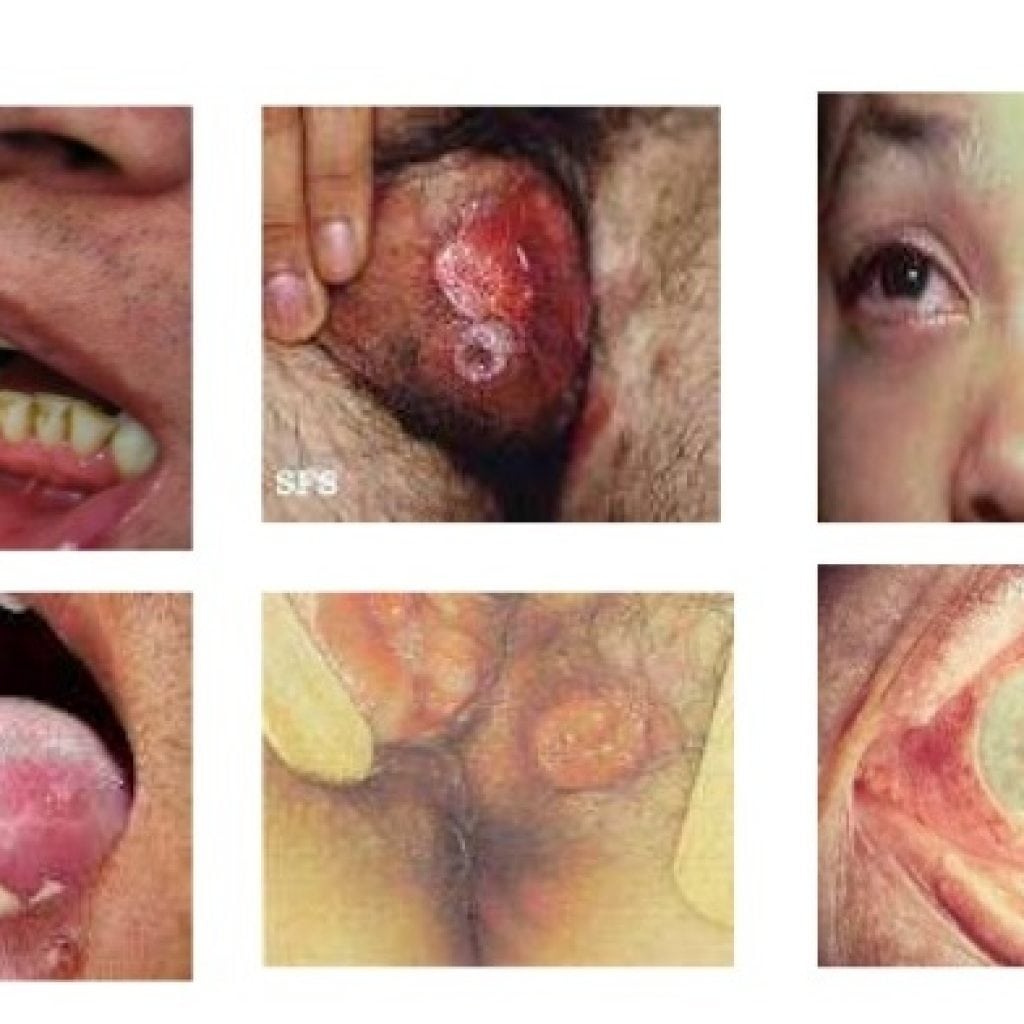


Behcet's disease (Behcet's syndrome, BB) - causes recurring (recurrent), painful ulcers (wounds) in the mouth, on the genitals, acne-like lesions on the skin and inflammation of the eyes (uveitis).
The disease most often occurs in people between the ages of 20 and 40. Men suffer more often than women. Behcet's disease is more common in people of Mediterranean, Middle Eastern, and Far Eastern descent, although it rarely affects blacks.
Read also:Rheumatic arthritis: what is it, causes, symptoms, diagnosis and treatment
Scientists believe that the HLA-B51 gene may play a role in the development of Behcet's disease. However, not everyone who has been diagnosed with this gene will get sick.
Kogan syndrome
Kogan syndrome can occur in patients with systemic vasculitis, which affects large blood vessels, especially the aorta and aortic valve. The aorta is the main artery that carries oxygen-rich blood from the heart to the body.
Systemic vasculitis is a type of vasculitis that affects all layers of the vascular walls in a general way.
Kogan syndrome can lead to eye inflammation called interstitial keratitis. The syndrome can also cause hearing changes, including sudden deafness.
Giant cell arteritis
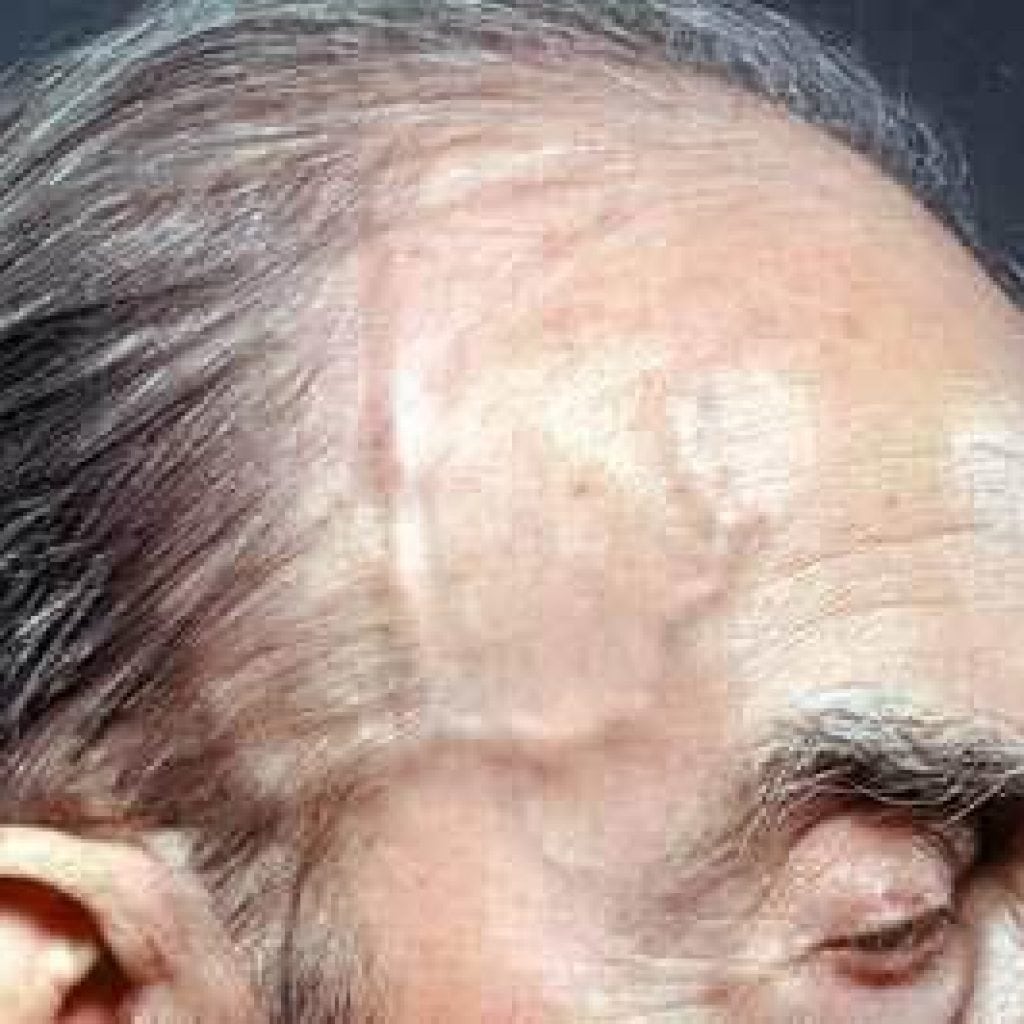

Giant cell arteritis (Horton's arteritis) usually affects the temporal artery, an artery on the side of the head. This condition is also called temporary arteritis. The symptoms of this condition are accompanied by:
- headaches;
- severe sensitivity of the scalp;
- pain in the jaw;
- clouding of the cornea of the eye;
- diplopia (double vision) and acute (sudden) loss of vision.
Giant cell arteritis is the most common form of vasculitis in adults over 50.
Polymyalgia rheumatica (RP)
Polymyalgia rheumatica (RP), a type of vasculitis commonly affecting large joints in the human body, such as the shoulders and hips. RP typically causes stiffness and pain in the muscles of the neck, shoulders, lower back, and hips.
Polymyalgia rheumatica usually occurs on its own, but 10-20% of people who suffer from RP also suffer from giant cell arteritis, and conversely, about half of people with giant cell arteritis may develop RP.
Takayasu's arteritis
Takayasu arteritis (Takayasu's disease, nonspecific aortoarteritis) affects medium to large arteries, especially the aorta and its branches. The condition is sometimes called aortic arch syndrome.
Takayasu's arteritis mainly affects adolescent girls and young women. The condition is most common in Asians, but can affect people of all races.
Takayasu's arteritis - systemic disease. A systemic disease is a disease that simultaneously affects many organs and tissues.
Symptoms of Takayasu's arteritis are accompanied by:
- fatigue and poor health;
- fever;
- night sweats;
- joint pain;
- loss of appetite and weight loss.
These symptoms usually occur before other signs suggesting arteritis.
Angiitis vessels of the middle size
These types of vasculitis usually, but not always, affect the middle blood vessels of the body.
Burger's disease


Buerger's disease (thromboangiitis obliterans) usually affects blood flow in the arms and legs. In this painful process, the blood vessels in the arms and legs become tightened or blocked. As a result, blood does not flow well into the affected tissues, which leads to pain and tissue damage.
Buerger's disease can also affect blood vessels in the brain, abdomen, and heart. The disease usually affects men between the ages of 20 and 40 of Asian or Eastern European descent. The disease is strongly associated with cigarette smoking.
Symptoms of Buerger's disease include:
- pain in calves or feet when walking;
- pain in the forearms and hands during activity;
- blood clots in the superficial veins of the extremities;
- Raynaud's disease.
In severe cases, develop leg ulcersand hands that lead to gangrene. Gangrene is the death or decay of body tissues, accompanied by their decay.
Blood vessel bypass surgery can help restore blood flow to certain areas. Medication usually does not help with treatment. The best thing to do is to stop using any form of nicotine or tobacco.
Central nervous system angiitis
Central nervous system (CNS) vasculitis usually results from systemic vasculitis. Systemic vasculitis is one that affects the body completely.
Read also:Epicondylitis
Very rarely, angiitis affects only the brain and spinal cord. When this occurs, the phenomenon is referred to as isolated central nervous system vasculitis or primary central nervous system angiitis.
Symptoms of central nervous system angiitis include:
- headaches;
- confusion of consciousness;
- mental and mental disabilities;
- stroke-like symptoms (muscle weakness and paralysis (inability to move)).
Kawasaki disease
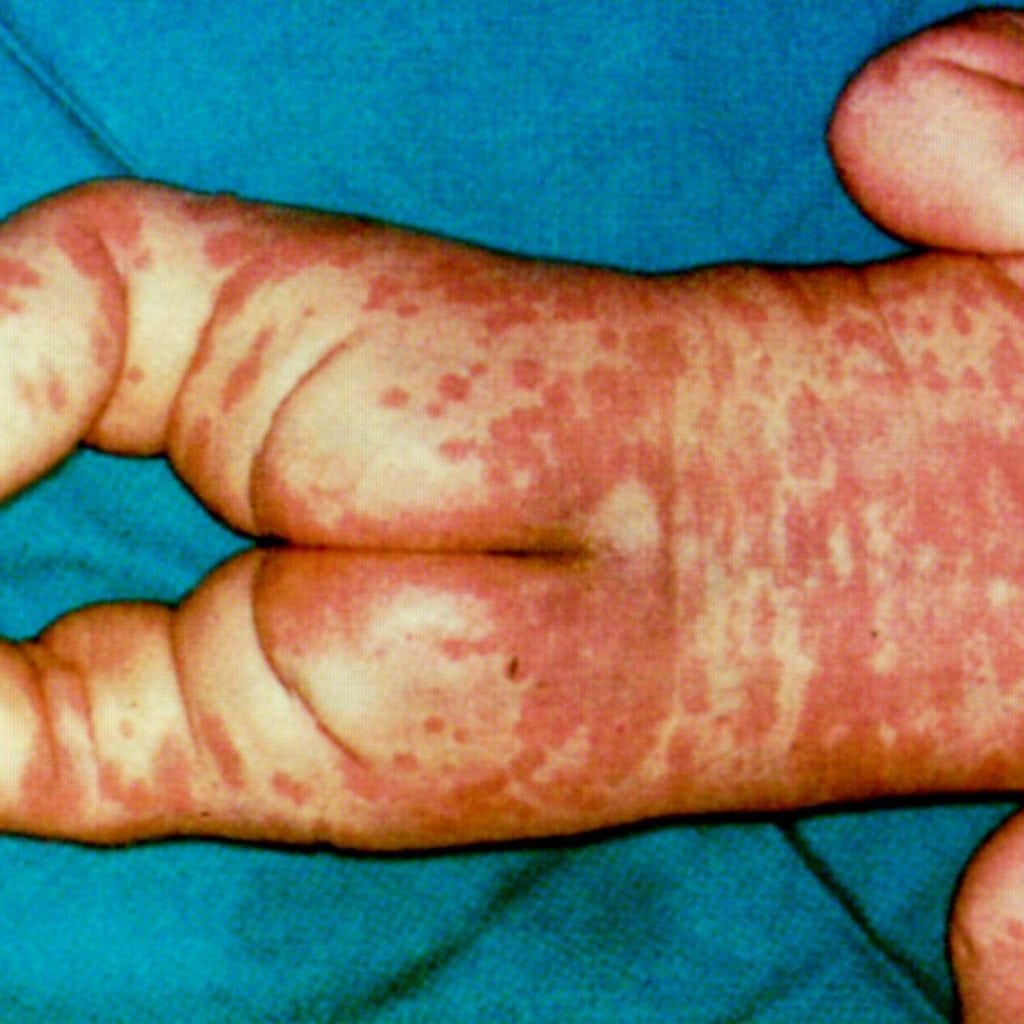

Kawasaki disease (syndrome) is a rare childhood disorder in which the walls of blood vessels throughout the body become inflamed. The disease can affect any blood vessel in the body, including arteries, veins, and capillaries.
Kawasaki disease is also referred to as mucocutaneous lymphatic syndrome. This is due to the fact that the disease manifests itself with reddening of the mucous membranes of the eyes and mouth, reddening of the skin and enlarged lymph nodes. (Mucous membranes are tissues that line some organs and body cavities.)
Sometimes the disease affects the coronary arteries, which carry oxygen-rich blood to the heart. As a result, a small number of children with Kawasaki disease may have serious heart problems.
Polyarteritis Nodosa
Polyarteritis Nodosa (Polyarteritis Nodosa) can affect many parts of the body. This disorder often affects the kidneys, digestive tract, nerves, and skin.
Symptoms often include:
- fever;
- general malaise;
- weight loss;
- muscle and joint pain, including pain in the leg muscles that develops over weeks or months.
Other signs and symptoms include:
- anemia (low red blood cell count);
- rashes on the skin;
- bumps (bumps) under the skin;
- stomach pain after eating.
Scientists believe that this type of vasculitis is very rare, although the symptoms may be similar to those of other types of vasculitis. In some cases, polyarteritis nodosa appears to be associated with infections hepatitis B or with.
Angiitis of small vessels
These types of vasculitis usually, but not always, affect the small blood vessels of the body.
Eosinophilic granulomatosis with polyangiitis
Eosinophilic granulomatosis with polyangiitis (EGPA) is a very rare painful process that causes inflammation of the blood vessels. The disorder is also known as Churg-Strauss syndrome or allergic angiitis and granulomatosis.
EGPA can affect many organs, including the lungs, skin, kidneys, nervous system, and heart. Symptoms can vary greatly. It can be accompanied by asthma, high levels of leukocytes in the blood and tissues, granuloma.
Cryoglobulinemic vasculitis
Cryoglobulinemic vasculitis occurs when an abnormal protein called immunoglobulin cryoglobulins thicken the blood and impair blood flow, causing pain and damage to the dermis (skin), joints, peripheral nerves, kidneys, and liver.
Cryoglobulins are abnormal immune proteins in the blood that combine and thicken the blood plasma. Cryoglobulins can be detected in the laboratory by exposing a blood sample to a cold temperature (below normal body temperature). At low temperatures, immune proteins form clumps, but when the blood is heated, the clots dissolve ..
The cause of cryoglobulinemic vasculitis is not always known. In some cases, it is associated with other pathologies such as lymphoma, multiple myeloma, connective tissue diseases and viruses (especially hepatitis C virus).
Vasculitis with IgA immune deposits (hemorrhagic vasculitis)


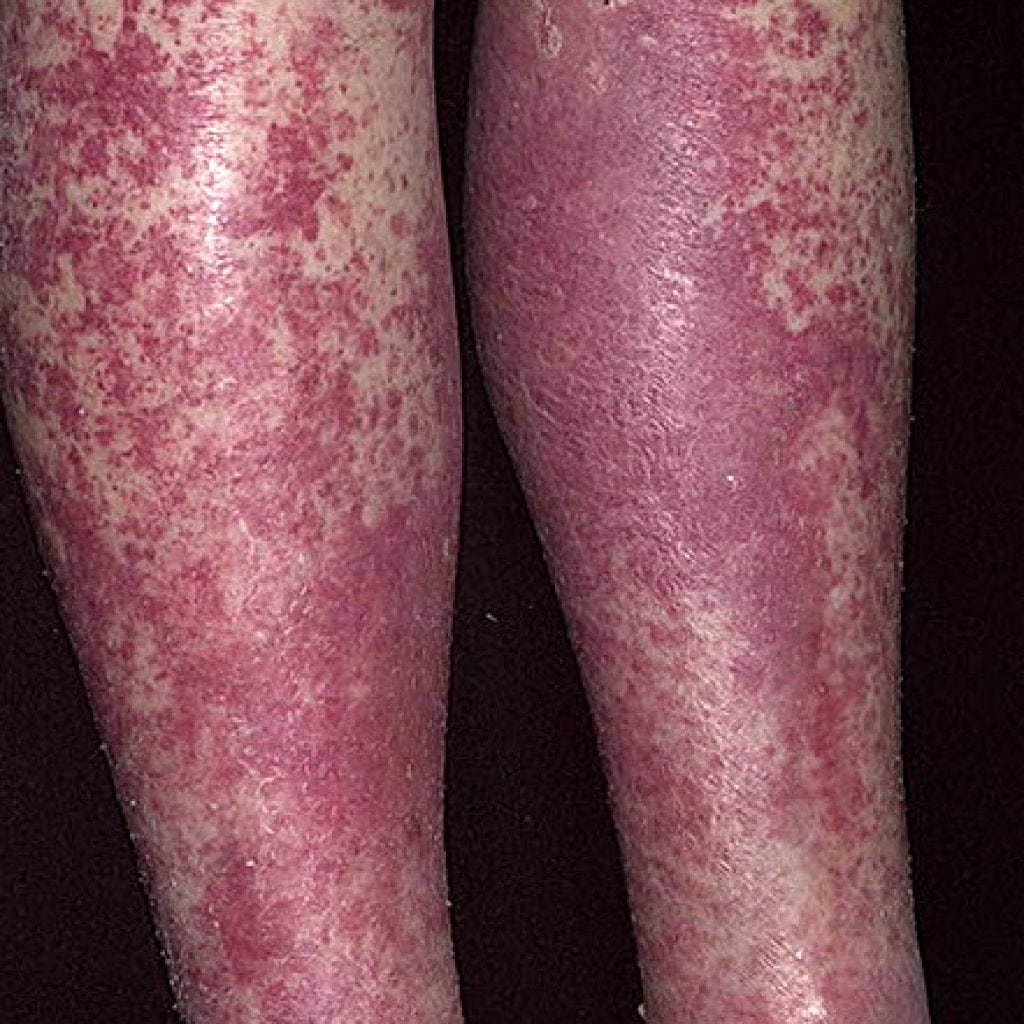
For IgA (immunoglobulin A) vasculitis (also known as purpura, Shenlein-Henoch disease, or hemorrhagic vasculitis) - abnormal IgA deposits form in small elastic-tubular formations of the skin, joints, digestive organs and kidneys. IgA is a type of antibody (protein) that usually helps protect the body from infections.
Symptoms of hemorrhagic vasculitis are accompanied by:
- cyanosis (bruise);
- A reddish purple rash, most commonly seen on the buttocks, legs, and feet (but can be anywhere on the body)
- pain in the abdomen;
- swelling / swelling;
- joint pain;
- blood in the urine.
Read also:Juvenile rheumatoid arthritis in children: causes, symptoms, methods of diagnosis and treatment, prognosis for the future
People with IgA vasculitis do not need to have all the symptoms at once; almost all of them have a characteristic rash as their first sign.
Schönlein-Henoch disease is most common in children between the ages of 2 and 11, but can affect people of all ages. More than 75% of cases of Schönlein-Henoch disease are due to upper respiratory tract infections, throat infections, or gastrointestinal infections.
For most people, purpura lasts 1 to 2 months and does not cause any long-term problems. In rare cases, symptoms may last longer or return. All patients with IgA vasculitis should be fully diagnosed by a healthcare professional.
Allergic angiitis


Allergic vasculitis affects the skin. The condition is also called hypersensitive vasculitis, cutaneous angiitis, or leukocytoclastic angiitis.
A common symptom is: red spots on the skin, usually on the lower limbs. In bedridden people, the rash appears on the lower back.
An allergic reaction to a drug or infection often causes this type of vasculitis. Stopping the medication and / or treating the infection usually resolves the problem. However, some people may need to take anti-inflammatory drugs such as corticosteroids for a short time. These medications will help reduce inflammation.
Microscopic polyangiitis
Microscopic polyangiitis affects medium-sized blood vessels, especially in the kidneys and lungs. The disease mainly occurs in middle-aged people. It affects men a little more often than women.
Symptoms are often nonspecific, and they may begin gradually, accompanied by fever and chills, weight loss, and muscle pain. Sometimes symptoms appear suddenly and progress quickly, leading to kidney failure.
If the lungs are affected, the first symptom will be coughing up blood. Sometimes microscopic polyangiitis occurs with angiitis, which affects the digestive tract, skin, and nervous system.
The signs and symptoms of microscopic polyangiitis are similar to those of Wegener's granulomatosis (another type of vasculitis). However, microscopic polyangiitis usually does not affect the nose and sinuses and does not cause abnormal tissue formation in the lungs and kidneys.
Some blood tests may indicate inflammation. The results are indicative of the disease:
- more increased erythrocyte sedimentation rate (ESR);
- low hemoglobin and hematocritindicating anemia;
- the level of leukocytes and platelets is higher than normal.
In addition, more than half of people with microscopic polyangiitis have certain antibodies (proteins) in their blood. These antibodies are called antineutrophilic cytoplasmic autoantibodies (ANCA). ANZA also occurs in people with Wegener's granulomatous disease.
Treatment
Treatment of various forms of angiitis is based on the severity of the disease process and the organs involved. Treatment usually focuses on stopping inflammation and suppressing the immune system. When angiitis is the result of an allergic reaction, it can go away on its own without requiring therapy. In other cases, when important parts of the body and respiratory organs in humans, the central nervous system or the kidney are affected, aggressive and timely treatment is required.
As a rule, drugs with active substances Cortisone are used, such as Prednisonum. Also, other drugs are being considered for suppressing immunity with the substance Cyclophosphamide (cytostatic antineoplastic chemotherapy drug) Cyclophosphamide.
Arteritis is a growing area in medicine. Ideal monitoring and treatment programs will continue to improve.