Acute cystitis: causes, symptoms, treatment in women
Content
- What it is?
- Causes of acute cystitis
- Pathophysiology of the disease
- Symptoms of acute cystitis
- Complications
- Diagnostics
- Treatment of acute cystitis
- Prophylaxis
- Forecast
What it is?
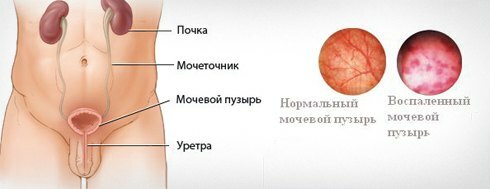
Acute cystitis is a condition associated with a sudden infectious inflammation of the lower urinary tract, namely the bladder. Acute cystitis is the most common type of urinary tract infection (UTI).
Acute cystitis often affects women, especially young girls, who are sexually active. However, in addition to young girls, women who have had their last spontaneous period also are at risk of cystitis, although in this particular subgroup the incidence is significantly lower than in younger women.
Women are particularly susceptible to UTIs because of the anatomical differences from men; nearly 1 in 5 women will have urinary tract infection, at least once in their life.
Causes of acute cystitis
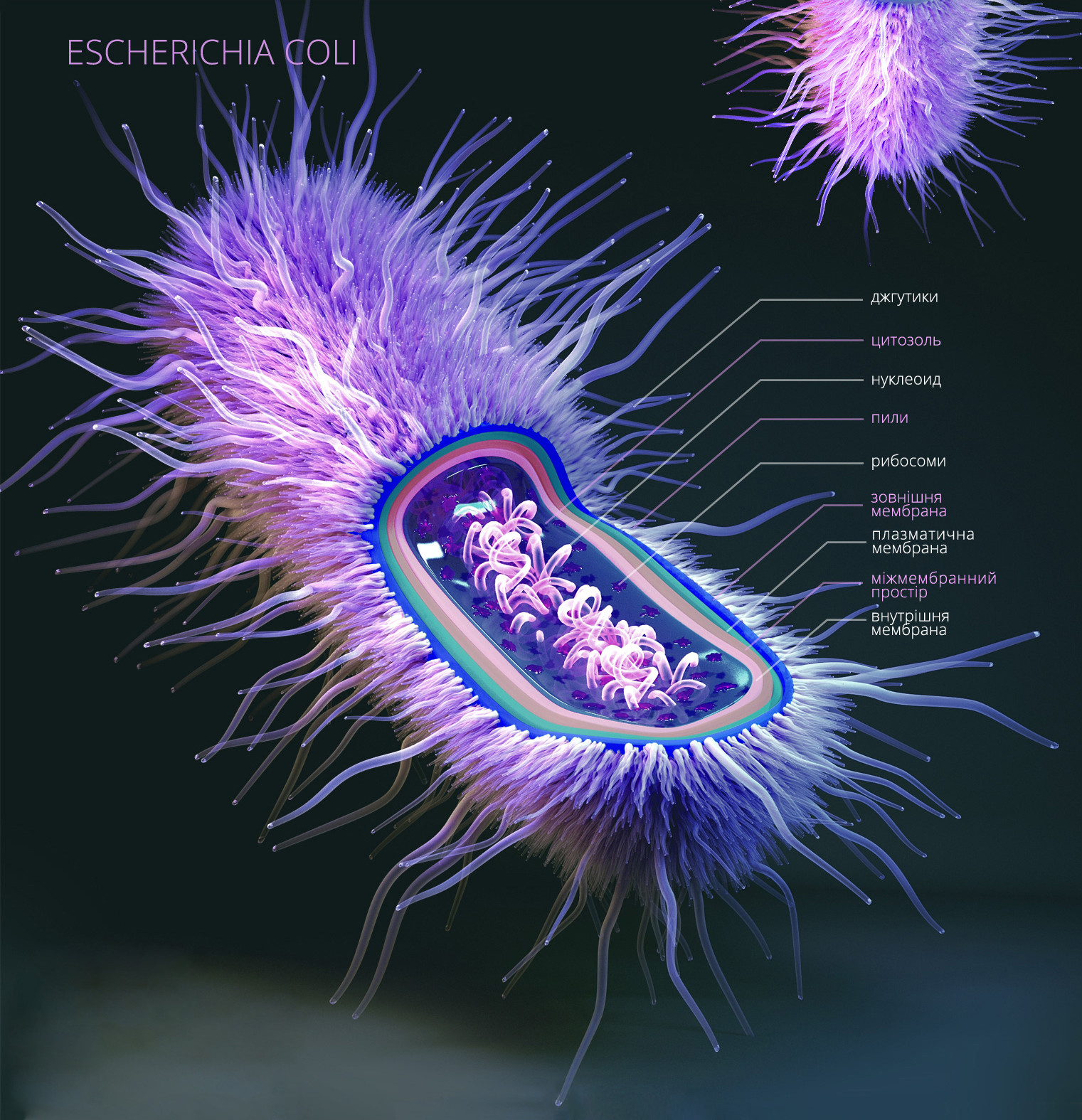
Acute cystitis is caused by a lower urinary tract infection (LUTI). The most common pathogens (microorganisms) are:
- Escherichia coli (responsible for up to 90% of bladder infections);
- Klebsiella pneumonia (Friedlander's bacillus);
- proteus spp. (gram-negative, facultatively anaerobic, rod-shaped bacteria);
- saprophytic staphylococcus;
- enterococcus faecalis (fecal enterococcus);
- candida albicans (candidiasis albicans, a diploid fungus that causes thrush);
- any gram-negative bacterium that is resistant to multiple drugs.
Changes in temperature, exposure to cold, and urinary retention are also common causes of infection. urinary tract or cystitis, which may occur suddenly, be acute, recurrent, or chronic disease.
In addition to the pathogens responsible for most cases of acute cystitis, there are other factors that increase patients' risk of contracting infections.
Catheterization by a urologist is a standard risk factor for cystitis, as they are fertile ground for pathogen adhesion. A catheter can also be a means by which bacteria initially infect a cyst.
Kidney transplantation is a risk factor for developing urinary tract infections. Kidney transplant patients are at higher risk of contracting Corynebacterium urealyticum (bacteria that can grow and multiply in lipids) within 2 months after operations.
Read also:Male circumcision
Pregnancy, age, or congenital structural defects of the urinary tract also make a person more susceptible to infections.
For acute cystitis caused by candidiasis, risk factors are catheterization, antibiotics, and diabetes.
Pathophysiology of the disease
There are 3 pathophysiological mechanisms that lead to urinary tract infections and more specifically acute cystitis. Pathogens can enter the cyst from the urethra following an ascending pathway, or they can enter the bladder from the perineal region. These two mechanisms are basic; the third route of infection of the bladder with bacteria is hematogenous spread. This mechanism is less common, with this spread, pathogens enter the cyst through the blood.
As already mentioned, women are more likely to suffer from acute cystitis than men. This is due to the female urethra, which is shorter in length, making it easier for microorganisms to penetrate. As soon as pathogens enter the cyst and settle on the epithelial tissue, they multiply rapidly (within 2 days before the first signs appear).
A variety of pathogens can be potential culprits for urinary tract infections, but the most commonly shed gram-negative bacteria in the faecal flora. In addition to being in the perineal area, which is in close proximity to urethra, these bacterial strains have certain properties that allow them to cause acute cystitis.
The main pathophysiology of acute cystitis can be reduced to an increase in bacterial virulence and a decrease in defense mechanisms in any person.
Symptoms of acute cystitis

Acute cystitis without further complications causes typical symptoms that can be diagnosed even without visiting a doctor. Symptoms include:
- pain in the bladder area;
- disorder of urination;
- pain while urinating;
- frequent need to urinate;
- hematuria (the presence of blood in the urine).
Complications are diagnosed if other symptoms are present, such as fever and nausea, chills, and vaginal discharge.
Important! If symptoms occur during pregnancy, respond quickly, as untreated cystitis can adversely affect your pregnancy.
Complications
Most cases of acute cystitis go away without complications if treated.
Read also:How thrush manifests itself in men: symptoms, photos, methods of treatment
A serious complication of this disease is pyelonephritis - inflammation of the kidneys and upper urinary tract, usually caused by a bacterial infection.
In its most serious form, complications can include high blood pressure (hypertension) and renal failure.
Diagnostics
Acute cystitis is diagnosed primarily based on symptoms and analysis using a test strip that you can do yourself at home.
The test strip analysis is the first thing women choose to confirm suspected uncomplicated cystitis before going to the urologist and gynecologist.
A bladder infection is easy to diagnose as patients have a typical triad of symptoms: pain during urination, hematuria and unpleasant putrid smell of urine. Test strip analysis will help non-invasively, quickly and safely diagnose patients with acute cystitis.
Patients who do not respond to treatment, suffer from recurrent cystitis, or are suspicious for complicated acute cystitis, additional research.
- General clinical urine analysis (OAM).
- Cystoscopy: The bladder is examined with a cystoscope. The cystoscope is inserted into the bladder through the urethra.
- In some cases, a general clinical blood test (CBC) is also done.
- Sometimes, to assess the degree of infection, a CT scan may also be required to scan the abdomen, kidneys.
Treatment of acute cystitis

Treatment of acute, uncomplicated cystitis in women of any age is usually empirical. Antibiotic treatment.
Cystitis resulting from bacterial infections is successfully administered with antibiotic therapy. The patient shows signs of recovery during the day of antibiotic treatment.
The duration of antibiotic treatment depends heavily on the severity of the symptoms, as well as on whether this is a case of recurrent infections.
Possible antibiotic choices include:
- Furadonin - the drug has an antimicrobial effect. It is used exclusively in the treatment and prevention of bacterial IMS, taken within 7 days;
- Nolitsin - broad-spectrum antibacterial drug. It belongs to the group of fluoroquinolones.
- Furagin - the active ingredient of this antibiotic - derived from nitrofuran, is taken from 7 to 10 days;
- Nitroxoline is a hydroxyquinoline derivative. an antibacterial drug that is effective against most types of bacteria as well as fungi.
Read also:Inflammation of the prostate (prostatitis) in men
There are various criteria that the doctor considers before deciding on the appropriate antibacterial drug.
Antimicrobials are selected based on analyzes and studies related to microbial resistance, cost, previous treatments, drug sensitivity, and ability to stick to plan treatment.
Prophylaxis

There are many warning and prevention recommendations that can significantly reduce the likelihood of developing acute cystitis in women:
- urinating before and after intercourse, and frequent urination (helps flush out bacteria);
- people undergoing chemotherapy or radiation therapy are advised to drink plenty of water;
- give up contraceptives treated with spermicide.
- after each bowel movement, the area around the vagina and anus should be cleaned appropriately. This will help prevent the spread of bacteria.
In general, patients, when they report related cystitis symptoms, treatment is prescribed antibiotics.
Antibacterial prophylaxis on a daily basis or after intercourse is also a recommendation for women experiencing recurrent urinary tract infections.
Suggested antimicrobials include Furadonin, Furadonin Avexima and Urotropin; the latter is intended for short-term preventive treatment. Consuming cranberry juice can also help, although there is no scientific research or evidence to support its benefits or effectiveness.
Forecast
With timely antibacterial treatment of acute cystitis, the prognosis is favorable. As a rule, recovery is quick and comes within a few days.
Prescription: bed rest, exclusion of certain foods (canned food, herring, cucumbers, peppers, mustard, vinegar), alcoholic beverages.
Urinary tract infection is a very painful and rather unpleasant condition for patients. If left untreated, it can be a potential cause of serious complications such as kidney failure.