The stomach hurts and the temperature is 37-38: what is the reason?
When an adult has a stomach ache, there are many reasons. If the temperature rises and appears: diarrhea, nausea, severe flatulence - this is a sign of poisoning or intestinal infections. When these manifestations are absent, and the abdominal pain does not go away and the body temperature rises, it is necessary to urgently visit a doctor, this is a sign of serious illness.

Content
- 1 Abdominal pain and fever in children
- 2 Infectious diseases
- 3 Non-communicable diseases
- 4 Renal colic
- 5 Essential help for abdominal pain and fever
Abdominal pain and fever in children
The child periodically complains of abdominal pain. A parent, if the stool is normal or there is a single diarrhea, should understand that the baby has eaten unripe fruit or heavy, hard-to-digest food. It is recommended to give medications capable of relieve the heaviness in the stomach. When a child has a stomach ache and fever, apathy, nausea, vomiting, diarrhea - this is the beginning of a chronic, acute illness, the presence of Escherichia coli or worms. In both cases, medication prescribed by a doctor is necessary.
Infectious diseases
Poisoning - intoxication occurs when poisonous toxins enter the body, causing indigestion. Distinguish: industrial, digestive, narcotic, alcoholic, suicidal and criminal poisoning. General symptoms: weakness, loss of appetite, diarrhea, vomiting and fever over 37C, and in case of acute intoxication - over 39C. Sometimes a headache is added. First aid: stopping the intake of toxic substances, taking enterosorbents and antipyretic drugs. The first days the patient is advised to follow a diet: oatmeal, mashed potatoes in water, crackers, drinking plenty of fluids. After several days, when digestion is restored, you can gradually introduce homemade food. In case of severe and acute poisoning, not advancing improvements, you should immediately call an ambulance team.

Intestinal infections - the cause of infection - the ingestion of infectious agents into the body. From the oral cavity, microbes enter the gastrointestinal tract, an incubation period begins, which lasts from six hours to two days. Intestinal infections manifest as acute illnesses. An unpleasant consequence is chills, dehydration of the body due to constant vomit and bouts of diarrhea, intestinal damage, acute abdominal cramps. There may be a slight fever, depending on how long the person has been sick. These diseases are most severe in the elderly and children. In these cases, you need to see a doctor to determine the type of infection and start treatment.
Salmonellosis - Salmonella is the causative agent of the infection. It enters the human body when eating meat of an infected animal, poultry, causing inflammation of the gastrointestinal tract. The development of the incubation period lasts from twelve hours to three days. The patient vomits, fetid and frequent loose stools, acute abdominal pain, weakness. Breaks and twists the body, especially the limbs, the temperature rises from 37.5C and above. It is possible to identify this disease only in laboratory studies, when passing tests. Salmonellosis causes a number of complications, therefore, treatment must be carried out under the supervision of a doctor in a hospital.
Gastroenteritis - the small intestine and stomach become inflamed as a result of infection with calciviruses, rotaviruses or parasites. Complaints are similar to salmonellosis. It is recommended to treat intestinal gastroenteritis with medication. It is useful to drink strong, sweet tea, jelly, rosehip decoction and salt solutions (dissolve 2 tablespoons of sugar and 1 tablespoon of salt for 1 liter of boiled water). With prolonged and acute development of inflammation, treatment is carried out in a hospital.

Non-communicable diseases
Appendicitis, peritonitis is one of the most common diseases of the digestive system in surgery. Associated with inflammation of the intestinal process called the cecum. The main symptom is pain in the umbilical region, moving to the right lower abdomen. Appendicitis is treated exclusively with surgery. Seek help from a doctor as soon as possible, as there is a risk of serious complications. The most common is peritonitis. This is a serious ailment that forms inflammation in the abdominal cavity. It is urgent to do an operation, otherwise the body becomes severely intoxicated, up to and including death.
Chronic or acute gastritis is an inflammatory process of the gastric mucosa caused by various food irritants: unhealthy diet and food allergy to drugs. Acute gastritis provokes severe pain in the stomach, heaviness, nausea. With proper, timely treatment, the prognosis is favorable. If the patient does not seek help on time, the disease becomes chronic. You should follow a diet: exclude spicy, salty, hot dishes, give up coffee, alcohol and smoking. A gastroenterologist will help you choose the appropriate diet and prescribe drug therapy.
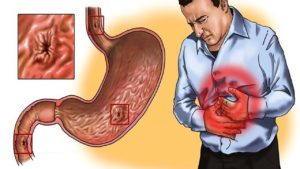
Peptic ulcer is a chronic disease caused by a trophic disorder in the stomach lining. Stomach hurts especially after physical exertion or if food irritants are ingested. There are frequent bouts of heartburn, nausea, belching, stool disturbance, gas formation, and the temperature rises. An ulcer is dangerous by the development of serious complications, therefore, the patient is given drug treatment and a diet is prescribed that does not cause irritation of the gastrointestinal tract.
Cholecystitis is an inflammatory process of the gallbladder caused by obstruction of the outflow of bile due to complications of gallstone disease. It is characterized by intensifying pain in the right side, nausea, bitterness in the mouth, high fever (over 38C). Stopping the flow of bile into the intestines causes yellowing of the skin and eyeballs, which is a prerequisite for jaundice. If symptoms are found, rest is necessary, taking antispasmodics, apply cold to the stomach and call an ambulance.
Nephritis is a kidney disease caused by inflammatory processes in the tissues. Symptoms: excretion of blood in the urine, edema, sharp pain in the lower abdomen and lower back, increased blood pressure and body temperature. When an ailment is detected, a nephrologist prescribes a set of medications that depend on the type of disease and stage. In the acute course, treatment is carried out in a hospital.

Cancer of the digestive system is a serious disease caused by a malignant tumor in one of the digestive organs, more often the stomach and duodenum. The first symptoms are: indigestion, nausea, heartburn, fetid belching, high fever, abdominal pain. In cancer of the esophagus - difficulty swallowing food, excretion of blood with sputum. To make a diagnosis, the patient is comprehensively examined. Treatment is performed surgically, if necessary, chemotherapy is prescribed to remove foci of the disease.
Helminths - popularly referred to as worms, are parasitic worms. Common types are: trichocephalosis, ascariasis, hookworm disease. A frequent case of ingestion with dirty water or food in the form of larvae. Signs of infection are: weight loss, fever, abdominal pain, swelling. The patient has asthenic syndrome and pallor of the face. You can identify parasites by passing feces and blood tests. For treatment, drug deworming of the body is carried out.
Ectopic pregnancy is a pathology caused by the attachment of a fertilized egg outside the uterus. Frequent signs: acute pain in the lower abdomen, aggravated by walking and sudden movements. Bloody discharge, weakness are characteristic, the temperature may rise. An ectopic pregnancy poses a strong threat to the health and life of a woman. An urgent operation is required to remove the fetus. Delay can only aggravate the condition.
Renal colic
Disease of the urinary tract, characterized by spasmodic pain associated with obstruction of the outflow of urine. The patient begins to complain of sudden pain covering the abdominal cavity and lower back. It is impossible to find a position in which the spasms subside. The temperature rises sharply, vomiting appears, which does not bring relief. Treatment is prescribed by a doctor in the hospital.
Essential help for abdominal pain and fever
The temperature can rise for a number of reasons - this is a signal that there are problems in the body. If at the same time there is a complaint of abdominal pain, it is worth finding out the cause of the disease. To do this, visit a therapist, gastroenterologist, prescribe an ultrasound examination of the abdominal cavity and laboratory tests. After the diagnosis is made, therapy is prescribed. Self-medication with folk remedies carries an increased risk of serious complications. In an emergency, an ambulance must be called immediately.