Severity and pain in the stomach: reasons for what to do
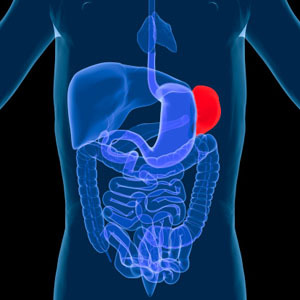
Let's understand the structure and location of the stomach. This digestive organ is located in the upper abdomen, just below the diaphragm muscle. If we consider our own organ, most of it is located on the left side of the body - shifted to the left of the spinal column. The stomach is an object with the shape of an elongated ball, squeezed from the right side. The main function is to digest food for its further absorption. They also emit a protective function (against pathogenic bacteria), absorption of certain elements, secretion, and further advancement of food.
Content
- 1 Pain
- 2 Severity
-
3 Pathologies that cause discomfort
- 3.1 Viral pathologies
- 3.2 Diseases indirectly causing pain
- 3.3 Bowel disease
- 3.4 Dysfunction of the glands (liver and pancreas)
- 3.5 Appendicitis
- 3.6 Open injuries
- 3.7 Closed injuries
- 3.8 Poisoning
- 3.9 Without pathologies in a healthy body
- 3.10 Gastritis
- 3.11 Ulcer
- 3.12 Oncological education
- 4 What to do if you have symptoms?
Pain
Pain in the body does not mean positive changes, pain in the stomach is no exception. Appears for various reasons. They are divided into several subspecies (localization - the upper part of the abdominal cavity, according to the location of the stomach - below the solar plexus).
- Burning or heartburn.
- Dull and aching.
- Cramping.
- Sharp.
- Sharp.
- Constant.
- Spasmodic.
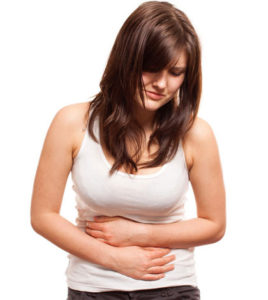
All species are more common in combinations of values of varying degrees.
Severity
The feeling that a heavy object has been put inside is an unpleasant feeling.
Pathologies that cause discomfort
For ease of perception, we divide pathologies into types:
- Viral diseases of the stomach.
- Diseases that indirectly cause stomach pain.
- Injury, poisoning.
- Without pathologies in a healthy body.
- Diseases of the stomach.
Now let's figure out how to approximately determine the pathology and provide first aid.
Viral pathologies
Viral diseases of the stomach are quite rare, mainly, the infection affects the entire gastrointestinal tract. It is not difficult to understand that you are faced with a rotavirus infection by the signs: constant aching painful sensations, the location is the gastrointestinal tract. Toilet problems:
- constipation, diarrhea;
- nausea, vomiting;
- rash, itching.

There is a reluctance to eat, insomnia, weakening of the immune system, sometimes fever. It is worth noting: with rotavirus infection, the rest of the family members may get sick.
First aid - give the patient sorbents (activated carbon), drink (sodium chloride solution: 1 teaspoon - liter of water). In the case of a prolonged course - easily digestible food (for example, chicken broth) and remedies aimed at relieving symptoms (against constipation - laxative, against severe vomiting - antiemetic). Drinking a lot, you can't eat - this is most likely will induce vomiting. Be sure to consult a doctor in the mild course of the disease: a gastroenterologist, a therapist (pediatrician). In severe cases: to an infectious disease specialist, but it is better to call an ambulance.
Diseases indirectly causing pain
We are talking about diseases not of the stomach itself, but pathologies of other organs, more often the gastrointestinal (GIT) tract: intestines, liver, pancreas. The body is an interconnected whole, especially the organs of the gastrointestinal tract are closely connected. Disruption of the activity of some organs entails disruption of the activity of others. In addition, pain can be given to the organ in question (for an example with inflammation of appendicitis, see below).
Bowel disease
In addition to painful sensations of the stomach, discomfort, colic in the intestinal region (navel level) are noted. Diarrhea (diarrhea), constipation, decreased appetite, nausea, vomiting, rapid weight loss, blood in the stool (feces) occur. The temperature rises.
Take sorbents, remedies to relieve symptoms. See your gastroenterologist immediately.
Dysfunction of the glands (liver and pancreas)
Similar digestive disorders described earlier: stool disturbance, nausea, vomiting; pain in the stomach, right hypochondrium. Features of the pathology: skin changes, more often jaundice - yellowing; nervousness. Insomnia occurs - there are signs of a violation of the nervous system; malfunctions of hormonal levels (example: impotence in men). Signs of intoxication are likely: nausea, vomiting, fever, muscle pain.
With the help of drugs, it will only be possible to alleviate the symptom, the best friend is a doctor, consult a therapist (pediatrician). He will appoint further actions. Remember that there are known types of hepatitis (liver disease) that are easily transmitted between people, so the appropriate option is to call "03" or "112".
Appendicitis
This is a bowel disease, but it was not isolated by chance. With improperly performed, untimely treatment, serious pathologies are possible, often leading to death. More often it happens like this: acute pain located in any area of the abdominal cavity is shifted to the lower right part, above the ilium, to the right of the navel. In some cases, it is initially located in this place and does not move. But this does not always happen. Pain can be of any nature, anywhere. Appendicitis is distinguished by acute pain in the lower abdomen on the right when palpating (pressing with fingers) of the navel. Also, the disease is accompanied by a disorder of the digestive processes.
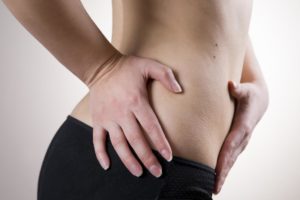
The appearance of such symptoms is a reason to immediately contact an ambulance. Lay down the patient, give rest. Ice applied to the abdomen will relieve pain. You cannot warm your stomach, such actions lead to unpleasant consequences. Remember that only a surgeon has the right to treat appendicitis, no other methods have been invented, independent treatment is unacceptable!
Open injuries
Injuries are divided into open and closed. Open wounds are characterized by skin damage. Bleeding and sharp pain in the area of injury, general agitation, pallor, weakness become symptoms. Loss of internal organs is possible.
Try at the same time (if there are several people nearby) to provide first aid and call a doctor. Stop bleeding (sterile swab), apply a swab, treat the skin around the wound with an alcohol solution. If internal organs fall out: cover with a sterile swab, gauze, do not set back! Do not remove foreign bodies. Do not give pain relievers or flush the wound. The patient should not be given to drink and must be provided with warmth.
Closed injuries
Pain at the site of injury, pallor, weakness. With closed injuries, bleeding does not occur, but sometimes vomiting of blood is noted.
Place the victim on their back or in a position in which the pain is minimal, ensure rest. You cannot drink, feed or give painkillers! See your doctor urgently.
Poisoning
In case of poisoning, intoxication of the body is noted, pain, often stomach; weakness, malaise. It is usually easy to determine, since there is a sharp aversion to the product of poisoning more than to other food products. We consider only food poisoning as the most tied to the agreed topic.
If these symptoms are observed, do a gastric lavage (intake of two to three liters of pink solution of potassium permanganate and induction of vomiting), give a sorbent (coal, enterosgel, smecta) and drink for rehydration; warm the victim, but do not apply a heating pad to the sore spot.
Without pathologies in a healthy body
Pain and heaviness in the stomach often they do not speak about pathologies. Happens in situations:
- Binge eating.
- Foods that are too spicy, fatty, smoked or salty.
- Intolerance to certain products. For example, due to allergies.
- Flatulence. This is a case when a mass of air enters the stomach instead of the lungs, then after eating there appears heaviness, bloating.
- Pain during pregnancy.
To relieve suffering, it is allowed to take medications that help digestion (pancreatin). Just follow the instructions and in case of pregnancy, consider the risks to the fetus. If necessary, see your pediatrician or physician.
Gastritis
Gastritis is an inflammation of the stomach wall. It is characterized by nausea and vomiting, aching, dull pain in the stomach, sometimes worsening. Sometimes there is dry mouth or, conversely, increased salivation, white plaque on the tongue, bad breath, heaviness, rumbling in the stomach. Often accompanied by heartburn and sour belching. In some cases, vomiting with blood and blood in the feces develops.
Ulcer
Ulcerative formations appear in the stomach. Symptoms are similar to those of gastritis, but differ in pain that intensifies after eating or, conversely, during hunger.
Oncological education
Oncology can occur with similar symptoms. Only a qualified doctor can distinguish cancer.
What to do if you have symptoms?
It is advisable to see a doctor as soon as possible. You must first go to a therapist, pediatrician.
Diseases of the stomach or organs close to it are accompanied by similar symptoms, it is impossible to make a diagnosis on your own. At the slightest suspicion, try to see a doctor in order to prevent complications, the causes of pain vary greatly. Take care of your health!