What to eat with appendicitis
What can you eat with appendicitis? This question is asked by everyone who has heard the diagnosis of acute appendicitis.
Our body needs the appendix to maintain immunity. However, inflammation of this organ becomes a big threat to human life.
Therefore, it is important to diagnose this disease in a timely manner.

Content:
- 1 What is acute appendicitis
- 2 What can cause inflammation of the appendix
- 3 Nutrition after removal of the appendix
- 4 What is the essence of the diet after appendicitis removal
- 5 Meals on the following days
- 6 What not to eat with appendicitis
- 7 Useful video
What is acute appendicitis
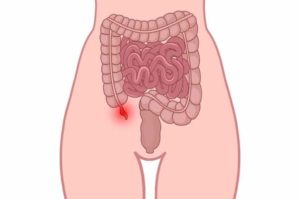
Inflammation of the appendix, which is located in the colon, is called acute appendicitis.
This disease has several stages. With late detection of the disease, the development of peritonitis (rupture of the appendix) is possible.
Also, acute appendicitis can flow into a chronic form. This process is characterized by constant periods of exacerbation of the disease.
What can cause inflammation of the appendix
The inflammatory process of the appendix can occur when bacteria enter through the blood or lymphatic fluid, swallowing peel from seeds, fruits or vegetables, and for inflammation of the gastrointestinal tract caused by indigestion stomach.
Poorly chewed food can block the intestinal lumen, thereby causing inflammation. The main symptom of this disease is severe pain, which first spreads through the abdominal cavity, and then begins to be felt in the right iliac region.
The pain becomes more pronounced when coughing, sneezing and walking. Along with this, body temperature rises sharply, nausea, vomiting, and sometimes loose stools appear.
In the presence of these symptoms, it is necessary to urgently deliver the patient for examination by specialists.
The only treatment for inflammation is surgery. There are two ways to remove the appendix: traditional (open) or laparoscopy.
Today the second option is more popular. In laparoscopic appendectomy, the appendix is removed through three small punctures.
The recovery period after such an operation lasts less compared to the open method of surgery
Nutrition after removal of the appendix
After removing appendicitis, everyone should remember that not all foods can be eaten in the first days after the operation.
In addition to basic procedures and taking prescribed medications, you must adhere to a special fractional diet.
After the removal of appendicitis, for the speedy recovery of the body, it is necessary to take a responsible attitude to such an item as medical nutrition.
Despite the fact that the removal of the appendix is not a very difficult operation, the recovery period after it is long-lasting.
And the diet after the removal of appendicitis in adults plays an important role in the postoperative period.
It helps to quickly return to an active lifestyle, as well as to quickly restore the work of the whole organism.
After discharge from the hospital, treatment does not end. The duration of the period depends on nutrition after suffering appendicitis.
A frivolous attitude towards adherence to a diet with appendicitis can threaten with the discrepancy of the internal seams and, as a result, the penetration of intestinal contents into the abdominal cavity.
In order to avoid these consequences and the occurrence of the inflammatory process, you need to know what you can eat after the operation.
What is the essence of the diet after appendicitis removal
The most difficult and, probably, the most important thing is the first day after the procedure. At this time, the patient must refuse to eat and drink.
This is necessary so that the body uses all its strength to recover from appendicitis surgery. If you are very thirsty, you can moisten your lips with water.
What can you eat after appendicitis, and what is not recommended? What period of time is it necessary to adhere to nutritional therapy?
Diet after appendicitis surgery includes following several rules:
- sparing attitude to the gastrointestinal tract;
- maintenance of metabolism;
- providing the body with the necessary nutrients;
- improved immunity;
- acceleration of the body's recovery.
The basic principle of nutrition in a person after surgery should be different from the usual one.
The diet should be built in a balanced way, but have less energy value.
This can be achieved by cutting back on simple and complex carbohydrates and avoiding high-fat foods.
Nutrition after surgery should be curative for about a month. If complications arise during the removal of appendicitis, then a little longer.
The basic principles of nutrition for appendicitis:
- Fractional food. You need to eat in small portions, five to six times a day. This is very important during the rehabilitation period, since the patient is in bed and therefore the intestinal peristalsis weakens. Also, small meals will prevent the seams from separating.
- Food must be boiled or steamed. Food after appendicitis surgery should be healthy. In the early days, all food should be in a liquid or semi-liquid state. Later, you can introduce more solid foods (cereals, soufflé, mashed potatoes) into the diet.
- New food should be introduced in stages.
- The temperature of the food should be comfortable. Hot and cold food is bad for the inner seams.
- Sufficient consumption of regular water. The fluid removes toxins and toxins from the body and accelerates rehabilitation.
- Minimal salt intake. It retains fluid in tissues, slows down metabolic processes and impairs wound healing.
What can you eat after appendicitis in the first three days:
- low-fat beef broth;
- liquid puree;
- vegetable puree (from squash or pumpkin);
- liquid natural yogurt;
- boiled chicken meat in pureed form.
Meals on the following days
The next week after the operation of appendicitis, the patient's diet should contain only slightly salted foods prepared in the form of semi-liquid cereals or soups.
This is done to facilitate the work of the gastrointestinal tract. Preference should be given to broths cooked in lean beef or chicken.
Loss of appetite is common after surgery. Nevertheless, if there are no complications, you should not give up the light broth. The body needs nutrients to accelerate recovery.
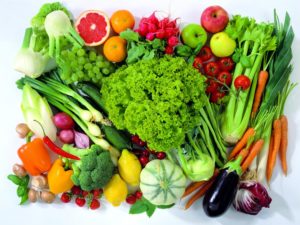
Vegetable pureed soups made from zucchini, beets, carrots and potatoes will also be useful. You can add some rice.
Vegetables are rich in vitamins of various groups important for maintaining strength, which are necessary after appendicitis.
All products must be cooked until fully cooked and brought to a semi-liquid state. What to do if constipation occurs?
You can eat fresh herbs (dill, parsley, or cilantro) by adding them to the broth. This will help improve digestion and overall gastrointestinal function.
It is necessary to drink plenty of fluids, which helps speed up lipid metabolism. You can drink herbal teas without sugar, natural juices, homemade compotes, jelly. It is recommended to drink one and a half to two liters of liquid per day.
Gradually, you can introduce fermented milk products into the diet. Low-fat natural yoghurts, soft cottage cheese, fermented baked milk, yogurt.
They contain bifido and lactobacilli, which have a beneficial effect on digestion. Fermented milk products are easily absorbed by the body and contain vitamins. They can be started in the absence of postoperative complications.
Due to the fact that in the first days after the operation of appendicitis, the patient must comply with bed rest, his intestinal motility may worsen.
Also, drugs and medicines prescribed by a doctor can become the cause of constipation. To improve the condition of the gastrointestinal tract, you should eat foods containing fiber:
- boiled carrots;
- dried fruits;
- baked apples;
- rice;
- buckwheat;
- oatmeal on the water.
Just before entering something from the list, you should consult with your doctor. Based on the patient's condition, he will give recommendations.
Pumpkin is very rich in beta-carotene. This vegetable contributes to the early recovery of the patient due to the large amount of vitamins of groups A, B, C, E, as well as vitamin K, which has a positive effect on blood clotting.
Thanks to vitamin T, the metabolic process in the body will occur faster, which will significantly accelerate the absorption of food. Pumpkin can be eaten boiled or made into a puree soup.
After the removal of appendicitis, the diet and diet are individual for each person. It depends on the characteristics of the course of rehabilitation of the patient and the presence or absence of complications after surgery.
The duration of recovery is influenced not only by what they eat, but also by taking medications and medications, adherence to the prescriptions of the attending physician. And also the age of the patient.
If there were complications after or during the operation, the attending physician will give the necessary nutritional recommendations after the removal of the appendix.
When compiling a postoperative diet, the nature of the inflammation is also important. For peritonitis, it is recommended to consume more foods with antibacterial properties.
What not to eat with appendicitis
After the removal of appendicitis, there are foods that need to be discarded for the duration of rehabilitation. Most importantly, you need to significantly reduce the amount of salt you eat.
The best solution would be to ditch it entirely in the first two weeks. You cannot eat pickles and tomatoes, fish, etc.
Various spices and herbs can cause a negative reaction from the digestive organs, thereby significantly increasing the rehabilitation time.
Do not eat foods such as tomatoes, beans, peas and all legumes. This can cause intestinal cramps and cramps and lead to increased gas production.
And under the most unfavorable condition, they will cause the discrepancy of the internal seams. You should also give up smoked meats, fatty meats, various sausages, ketchups, mayonnaise and sauces. All of these foods have a bad effect on the functioning of the gastrointestinal tract.
This food is hard to digest. After surgery, all the body's resources must be directed to the restoration of internal wounds, so such products will be absorbed very slowly.
Fermentation processes in the intestine will begin, as a result of which complications may arise in the form of rupture or peritonitis of the sutures.
The same goes for various carbonated drinks. You should not consume these products in order to avoid complications.
Proper nutrition after appendicitis surgery is essential for a speedy recovery. On the first day, the patient is not recommended to eat or drink.
In the next few days and weeks, a strict diet is required, which includes liquid and semi-liquid food, which stimulates the body's strength.
It is recommended to follow the diet for one month, after which they usually eat their usual food.
It is important to reduce the load on the body, giving it the opportunity to rest and recover on its own, giving up foods prohibited for appendicitis.