Gangrenous appendicitis: symptoms of the acute stage, postoperative period
The inflammation that occurs in the appendix is called appendicitis. As the disease develops, it goes through several stages from mild, corrected by drug treatment, to complex. Gangrenous appendicitis is a type of appendix lesion and the penultimate stage of the disease, dangerous in that it often leads to the death of a person.
In this position, the use of surgery is not a salvation. As a result of the action of the surgeon, a violation of the integrity of the appendix may occur. The process bursts and the pus contained inside enters the abdominal organs. Peritonitis develops sharply, tissue necrosis occurs.
This stage of appendicitis does not occur immediately, but 2-3 days after the first signs of the disease appear. During this period, signs of phlegmonous-gangrenous changes in the tissues of the organ appear. Lack of therapy leads to a deterioration in the patient's condition and the development of complications. The inflamed organ changes, the outer walls collapse, die off. During the operation, the smell of rot comes from the wound. The appearance of the appendix has the characteristic features of the last stage:
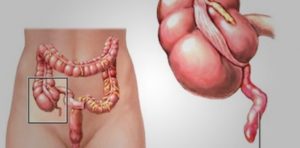
- Significant increase in size;
- The color of the appendix has changed and acquired a dirty green tint;
- Areas with blood are observed;
- Tissue necrosis is visible;
- Sources of pus oozing.
The danger of acute damage to the appendix is that it affects the internal organs located close to the appendix. In particular, inflammation affects the organs located in the abdominal cavity. If no medical assistance was received, gangrenous appendicitis turns into a gangrenous-perforated ailment, the organ wall becomes perforated, and pus seeps out.
Content
- 1 Causes
- 2 Symptoms
- 3 Perforated ailment
- 4 Consequences
- 5 Period after surgery
- 6 Complications
Causes
Gangrene of the appendix develops more often due to the lack of adequate treatment on the third day. Lightning-fast development (6-12 hours) of the penultimate stage of appendicitis is extremely rare. It can also be observed in young children, when the immune system is not fully formed and cannot resist the inflammatory process.
The reasons leading to the onset of the disease:
- Patient's age and vascular system. With age, pathological changes occur in the vessels, contributing to a decrease in the quality of the supply of the process with oxygen and nutrients, and the outflow of venous blood also worsens. Often there is the development of a primary gangrenous type of ailment.
- The appearance in the arteries passing through the intestinal tract, cholesterol plaques (atherosclerosis) leads to an insufficient amount of blood flowing to the intestinal tissues.
- In childhood, gangrene of the appendix can be provoked by incomplete development of the vessels passing through the appendix. Hypoplasia in a child is a congenital ailment.

- The development of thrombotic disease in the veins and arteries that supply and drain blood in the cecum.
Insufficient blood supply leads to oxygen starvation of organ tissues, they begin to die off. Rapid onset of the penultimate stage acute appendicitis may be associated with ingestion of an infection or the course of autoimmune processes in the lumen of the intestinal tract.
Symptoms
Acute appendicitis in the gangrenous stage will be characterized by a special clinical picture. The perforated form of the disease increases the intoxication of the body, more and more decay products are released into the blood (the tissue dies and releases toxins). The following symptoms appear:
- Loss of appetite and lack of perception of the appearance of food.
- The patient is constantly shivering.
- The body temperature rises, the thermometer shows 39 degrees. It should be noted that this does not always happen.
- The state of nausea and the occurrence of vomiting.
- The patient's stool is disturbed. Periods of constipation can be followed by periods of diarrhea.
- In the oral cavity, plaque appears on the tongue, which has a white, yellow or brown color. The color change is noticeable near the root.
- More gas is produced in the intestines, the stomach becomes hard.
- The patient feels weak throughout the body and fatigue.
- Dry mouth.
- The pulse quickens and reaches 120 beats in one minute.
- In young patients, there is a lethargic state and moodiness, tearfulness.
There comes a period when the patient feels that he is better, but this is only temporary relief, which is a false indicator of recovery. This means that along with the tissues of the appendix, the nerve endings responsible for pain die off.
Perforated ailment
Dying tissue leaves behind small holes in the walls of the appendix. Medicine has identified this phenomenon as a separate and dangerous type of gangrenous appendicitis, requiring certain methods of treatment, surgery and further care during the period after surgery.
A perforated appendix is painful. When tissue rupture occurs, the patient experiences intense pain on the right. At first, the pain manifests itself in attacks, but gradually turns into a chronic stage and radiates throughout the entire area of the abdomen.
Consequences
Lack of medical care with the onset of gangrene of the appendix leads to a significant deterioration in the patient's condition and the development of complications:
- Pylephlebitis develops inside. This means that a purulent inflammatory process provokes the formation of blood clots in the portal vein.
- The appearance of purulent sources in the peritoneal cavity. As a rule, an abscess is located between the intestines, in the area of the diaphragm and small pelvis.
- A tissue infiltrate begins to form around the appendix. Its formation prevents the spread of inflammation to other internal organs.
The most dangerous complication is the gangrenous form of peritonitis. This means that there was a rupture of the walls of the appendix. This development of the disease is fraught with blood poisoning. Surgeons try to prevent the onset of this stage, since the survival rate of patients is low.

Period after surgery
The selected method of appendectomy, the severity of the disease determine the duration of the postoperative period. On the first day after the gangrenous type of appendicitis and its removal, the patient is looked after by a nurse. It does the following:
- Observes the patient and records the appearance of symptoms of internal bleeding.
- It measures the temperature, thereby controlling the condition of the operated person.
- Periodically examines the seam site.
- Conducts a patient survey about sensations, appetite. Monitors the frequency of bowel movements.
The postoperative period of patients with remote appendicitis of the gangrenous type has some features and will differ:
- The patient is prescribed drugs that have a strong antibacterial effect: Cephalosporin, Amikacin, Ornidazole, Levofloxacin.
- The patient is prescribed analgesics. These medications are taken as needed.
- To support the body, various solutions are injected intravenously: saline, glucose, albumin, rheosorbilact, fresh frozen plasma.
- Preventive measures are taken to prevent the formation of blood clots in the vessels. Prevention is directed against the occurrence of ulcers of the stomach, intestines against a background of stress. The operated person wears elastic bandages on his shins, he is injected with anticoagulants. Medicines are taken that reduce the production of bile secretion: Omez and Kvamatel.
- A blood test is taken every day.

- Bandaging the wound. Dressings are changed daily, the wound is washed, the drainage system is disinfected. At the same time, healing is assessed and purulent discharge appears.
- Passage of therapeutic procedures: exercise therapy, breathing exercises, massage. The duration and number of procedures is determined by the patient's condition. The sooner all the functions of the body are activated in a person, the faster and more successful the recovery process will be.
Compliance with dietary nutrition in the postoperative period is a factor of early recovery:
- For the first 24 hours after the appendectomy, you cannot eat, only drink. The water must be clean, mineral, without gas. You can also consume weak sweet tea, compote, fat-free kefir. You can eat grated low-fat soup or chicken broth. There are a few, but often.
- Second 24 hours. Mashed potatoes, mashed lean meat are added. They add to the menu: casserole with cottage cheese, boiled sausages, porridge boiled in water.
- On the following days, diet number 5 is prescribed. Exclude spicy, smoked, pickles, pickles from the diet. Eat a little, but often.
Complications
Carrying out surgery before the perforation of the walls of the appendix occurs reduces the risk of complications. In this case, an infection occurs at the seam site and the appearance of pus. Treatment of these complications does not require repeated surgery.
When the patient comes to the surgical table with purulent peritonitis, the following consequences are possible:
- Not only pus enters the abdominal cavity, but also fecal matter.
- There is a separation of the appendix from the body of the cecum.
- Multiple formation of small purulent wounds in the small pelvis, in the area of the diaphragm.
- The appearance of infiltration. This factor becomes an obstacle to surgery. Only after resorption of the formation can appendicitis be removed.
- Peritonitis with purulent formations.