Loose stools during pregnancy
Loose stools in pregnant women can appear against a background of various diseases. To make a final diagnosis, a pregnant woman is recommended to undergo a comprehensive examination.

Content:
- 1 Medical indications
- 2 Early diarrhea
- 3 Diarrhea in the last stages
- 4 Diarrhea classification
- 5 Survey
- 6 Self-diagnosis by the nature of feces
- 7 Carrying out therapy
- 8 Preventive techniques
- 9 Useful video
Medical indications
During pregnancy, various problems occur in the functioning of the gastrointestinal tract, which is considered the norm, since the woman's body is constantly being rebuilt, while the organs begin to work in a new way. Some changes are accompanied by diarrhea.
Loose stools during pregnancy are characterized by the rapid passage of feces through the large intestine. At the same time, pregnant women may have foamy, dark, bloody, liquid stools.
The condition in question is not an independent disease, since loose stools during pregnancy are considered the body's response to a malfunction of some organs.
Also, this phenomenon may indicate the presence of a certain irritant in the body.
To eliminate loose stools in a woman during pregnancy, it is necessary to identify the primary cause of its appearance.
Obstetricians-gynecologists distinguish the following etiology of diarrhea in a pregnant woman:
- improper nutrition;
- toxicosis;
- extensive HAP in the 1st trimester of pregnancy;
- in the last months of pregnancy, the body prepares for the upcoming birth. If loose stools are not accompanied by other dangerous symptoms, then therapy is not required.
Diarrhea in a pregnant woman can be triggered by serious illnesses, since during this period the immune system weakens.
Loose stools bother pregnant women for the following reasons:
- intestinal infection;
- food poisoning;
- hereditary insufficiency of certain substances in the body.
Early diarrhea
In the first months of pregnancy, diarrhea appears in the morning. It can be accompanied by signs of toxicity, including weakness and nausea.
In a similar way, a woman's body adapts to a new life, hormonal changes.
Against the background of the formation of the placenta during the first trimester of pregnancy, the work of some systems is disrupted. Similar changes concern the gallbladder, pancreas.
Against this background, gross changes in carbohydrate and protein balance occur.
If in pregnant women in the 1st trimester, loose stools appear once in the morning and do not bring discomfort, therapy is not required.
If, against the background of these changes, a woman's weight decreases, her general health worsens, a gynecologist's consultation is required.
Diarrhea in the last stages
Loose stools in pregnant women, which appear from 39 weeks, indicates an imminent birth.
By increasing the excretion of feces, the body tries to remove negative substances, which will ensure a good course of labor.
Strong and frequent loose stools indicate that childbirth will occur in the next 24 hours.
If such a clinic is observed 3 weeks before the expected date, gynecologists are not advised to consider this condition as a sign of childbirth. Therefore, in this case, it is necessary to pass laboratory tests.
If loose stools during this period of pregnancy are accompanied by mucus, blood, high fever, abdominal pain, increased uterine tone, consultation with a gynecologist is required.
Such symptoms can provoke premature labor.
Diarrhea classification
The following types of diarrhea may occur during pregnancy:
- acute - duration 2 weeks. This phenomenon is of viral origin. Loose stools disappear on their own;
- not passing - duration longer than 14 days. The reasons for its appearance are a lack of enzymes in the digestive organs, the lack of the necessary treatment for the virus or bacteria, dysbiosis;
- chronic - lasts longer than a month, while the intestinal walls become inflamed.
Survey
With the manifestation of the following symptoms during any period of pregnancy, an urgent consultation of an obstetrician-gynecologist is required, in whom a woman is observed in the position:
- loose stools more often than 5 times a day;
- in addition, the patient is worried about weakness, sweating, the skin turns pale;
- vomiting appeared;
- increased body temperature;
- worried about sharp pains in the abdomen;
- there is blood in the feces;
- black loose stools indicate internal bleeding.
To find out the etiology of diarrhea, the patient's history is taken before and during pregnancy.
The doctor must be informed about the food that was consumed the day before. The patient tells in detail about the nature of the stool.
During pregnancy, you can undergo gastro-, sigmoid and colonoscopy. But these techniques are applicable early in gestation. In the later stages, you can do an ultrasound.
During pregnancy, it is necessary to undergo a coprogram, pass a bacterial culture and tests for helminths. Biochemical analyzes reveal changes in the balance between acids and alkalis.
Also, this technique reveals abnormalities in liver function tests during pregnancy, disorders of the pancreas, changes in the hormonal plan.
Self-diagnosis by the nature of feces
To find out whether the clinic in question is dangerous during pregnancy, the consistency and color of the feces are studied.
If it has a black tint, and there are also lumps of indigestible food in it, the woman has dysbiosis.
A tar-black shade of stool during pregnancy, from which it smells unpleasant, indicates intestinal bleeding.
More often it is localized in the upper parts of the digestive system. In such cases, it is necessary to hospitalize the woman.
Dark brown feces, which have a putrid odor, while the composition includes undigested food, indicate obvious malfunctions in the work of the pancreas.
In such cases, bowel movements are observed in the morning or 30 minutes after eating.
Gray-white feces during pregnancy indicates liver disease, bladder.
If the temperature rises at the same time, even to a febrial value, the apples in the eyes have darkened additionally (to a light yellow tint), a complete examination is required.
A similar clinic indicates hepatitis. This disease is very dangerous during pregnancy for the woman herself and the fetus. Moreover, the outcome of the disease does not depend on the etiology. Most often, with jaundice, the pregnancy is terminated.
Frequent liquid emptying of the intestine with the release of feces of a light yellow or gray hue, indicates enteritis, amyloidosis, scleroderma.
With such diarrhea, the smell of rancid fat appears. This state is characterized by not assimilation of fats and carbohydrates. The fetus does not develop a skeletal system.
Dyspepsia is classified into 2 types:
- putrefactive - when food stagnates in the intestines, while they are not digested;
- fermentation - an increase in the frequency of bowel movements against the background of an accelerated metabolism.
All of the above conditions during pregnancy require medication. They can be prescribed by a doctor only after examining the patient.
It is forbidden to drink drugs on your own during pregnancy. This can adversely affect the fetus.
Particular attention should be paid to diarrhea, which occurs with a fever, vomiting, bloody feces. A similar condition is associated with infection of the female body, which requires hospitalization.
Carrying out therapy
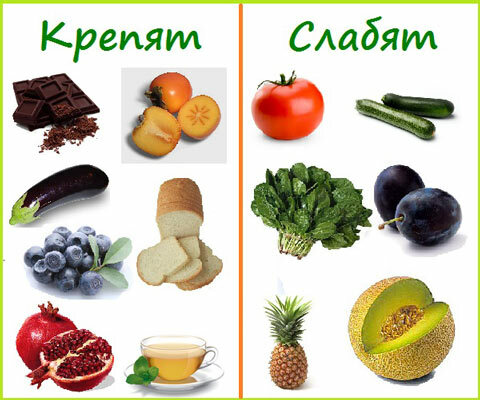
To eliminate the diarrhea of a pregnant woman, it is recommended to return to a normal diet, giving up harmful products that can irritate the gastrointestinal tract.
With diarrhea, you need to give up fatty and spicy, strong broths. The basis of food is oatmeal, rice porridge.
The doctor may add to the correction of nutrition the intake of certain medications:
- Activated black carbon - effectively and rapidly removes toxins accumulated in the intestines, while not disrupting the development of the fetus;
- Smecta - promotes the production of mucus in the intestine, which envelops its microflora, removing microbes in a natural way. The drug cannot cross the placenta;
- Enterosgel - promotes the evacuation of bacteria and toxins from the intestines, while preventing their absorption to the CS. Against the background of its intake, the work of the stomach, kidneys and liver improves. At the same time Enterosgel protects the intestines from inflammation and erosion;
- Rehydron - prevents the process of dehydration, normalizing water and electrolyte balance, effectively combating acidosis.
Preventive techniques
To prevent the appearance of intestinal upset, it is recommended to follow the preventive advice of gynecologists.
The expectant mother needs to eat only high-quality products, refusing to visit public catering.
The main thing is to observe personal hygiene and avoid stressful situations. Diarrhea in any trimester is a serious test for the expectant mother.
In order not to expose your health and the condition of the baby, it is recommended to monitor the diet for throughout all months of pregnancy, and at the first symptomatology of diarrhea, seek gynecological help.