Acousticophobia
Description
Acousticophobia is a certain kind of phobia, a panic horror that a person experiences either at the moment of noise occurrence or at the moment of his waiting. A similar condition can be observed in a patient, for example, when listening to a CD, when a minute of silence first takes place, and then rock music starts abruptly. Acousticophobes often have a problem with access to places where they can not control the noise around them. This suggests that their presence in a bar, in a park, on a crowded street or in a restaurant can be a real problem. Acousticophobes also avoid contact with children and dogs, because they are potential sources of unwanted sounds and can cause an attack.
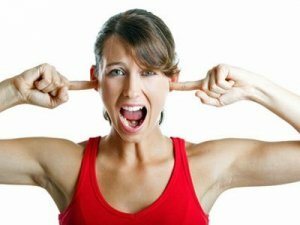
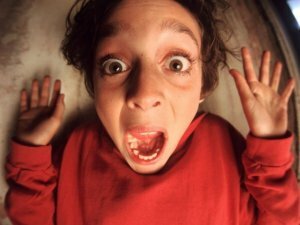
People suffering from this ailment are afraid, they have increased pulse and pressure. Attacks can be accompanied by a sudden severe headache, panic horror, muscle cramps, a desire to close your ears, run away, scream.
Most acoustic phobes experience fear of noise precisely as a source of discomfort and headache. With particularly vivid manifestations of the disease, people are afraid to go insane, reach a stroke and even become deaf. Sufferers of this phobia assure that in some cases a loud sound can explode their brain, which, in fact, frightens them and simply horrifies them.
In addition to the sounds themselves, acoustic phobes may be afraid of sound reproducing devices, fire alarms, ambulances, horns, etc.
Reasons for
 There may be many reasons for this fear of noise. For example, many soldiers participating in military operations suffer from acoustophobia, in the conditions when explosions and shots are distributed everywhere, which even the most persistent men can terrify to the horror. The same goes for, for example, parent quarrels, which can leave indelible traces in the child's soul.
Fear of loud sounds can occur in certain diseases:
- ear pathology( otitis);
- features of the structure of the organ of hearing;
- ear injury;
- surgical intervention on the ear area;
- ear tumor, brain tumor;
- migraine;
- infectious diseases( influenza, meningitis, measles, rubella, rabies);
- pathological processes in the central nervous system;
- fatigue syndrome, etc.
For sure, it can be noted that the pathology often occurs due to psychological trauma, rather than physical. And this means, without the influence of a professional psychologist, an acousticophobe can not be avoided. As soon as the first symptoms of acoustic phobia appear, you need to go to the hospital, otherwise the disease will only progress and harm the health of a person, negatively affect the quality of his life.
Symptoms of
 Symptoms of acoustophobia are similar to symptoms of anxiety disorder.
In most cases, the patient is observed:
- increased sweating;
- shortness of breath;
- dry mouth;
- hyperventilation;
- nausea;
- heart palpitations;
- is a shiver;
- dizziness;
- numbness;
- strong internal voltage;
- change in blood pressure;
- muscle tension;
- change in body temperature;
- loss of control over oneself;
- loss of control over the situation;
- inability to clearly think, speak;
- intense sense of impending disaster;
- feeling of detachment from reality;
- fear of death, fear of going insane;
- is a full-scale alarm attack.
Most acousticians do not want to return to the conditions in which they were attacked, so they try to completely withdraw from this environment. Over time, they are increasingly staying at home, avoiding their appearance in public.
Treatment of
 To date, medicine has known many methods of treating acoustophobia. All of them should be carried out with the help of qualified specialists. When there are signs of acoustophobia, the patient first needs to turn to the otorhinolaryngologist( loru).In the future, it may be necessary to consult a neurologist, infectious disease specialist, traumatologist, oncologist, psychotherapist.
The most common treatment for acoustophobia is drug therapy. The patient is prescribed those drugs that are typical for the treatment of anxiety disorders. The idea of such treatment is that with the help of certain medications the patient learns to cope with the situations that are problematic for him, learns not to worry about them. Taking medications, the acoustician is gradually getting used to loud sounds. Long-term treatment can completely relieve the patient of the disease. Effective treatment, by the way, implies not only drugs, but also psychotherapy. These methods are used in tandem.
Separately it is worth noting hypnotherapy. Such therapy is based on the analysis and further reprogramming of the subconscious. That is, the doctor first finds out the true causes of irrational fear, and then changes this setting, which allows the acoustician to cope with his disease.
Other methods are used to treat the disease: neurolinguistic programming, cognitive behavior therapy, bihirov therapy.
With reasonable use of various techniques and methods in conjunction with drug treatment, it is usually possible to achieve 100% cure acoustophobia.
Complications of
 Such a disease as acoustophobia can and should even be treated. In the opposite case, if the disease is allowed to run its course, serious problems with the psyche, mental balance, problems with socialization( a person closes from the outside world, which produces unpleasant sounds, closes at home, communicates with no one), problems with the central nervous systemSystem, problems with the cardiovascular system, etc., since permanent stress is known to be the source of very many diseases. In short, in the risk group, the entire body of the patient and the people who are part of his environment.
Prevention
Prophylaxis means taking care of your body, your health. Watch your ears, do not forget about the headgear. Do not start inflammation in the ears, do not self-medicate.
Try to avoid places where there are loud noises. Some people, unfortunately, even have to work in such conditions. That is why they say that they work in harmful production conditions, for which they are entitled to some surcharges to wages, additional paid holidays, etc. If possible, it is better to avoid such work.
Parents need to take care of the children to grow up in a favorable psychological environment, so that there are no larks, screams, scandals in the house. Observe the sleep and wakefulness. And try not to succumb to the destructive effects of stress.
Stay healthy!