Oxaluria
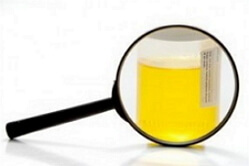 Oxaluria( with the Greek oxalis - "sorrel", uron - "urine") is a disease caused by an increased content of calcium oxalate in the urine, which is released together with it in the form of crystals. In medicine, primary oxaluria and secondary oxaluria are isolated. The primary is hereditary, while the secondary arises from the consumption of human products containing oxalic acid, its salts.
Oxaluria is associated with a violation of mineral metabolism in the human body, as well as inadequate intestinal work and increased absorption of calcium into the blood. The precipitation of calcium oxalate in the sediment is due to the lack of magnesium. When determining the vitamin balance, there is a decreased content of vitamins A, B6 for oxaluria.
Oxaluria causes
The etiology of oxaluria is very diverse. It includes both hereditary disorders( with the development of primary oxaluria), and various pathological processes in the digestive tract, alimentary factor.
The main reasons for the development of oxaluria are:
- Defects of enzymes that affect the absorption of calcium oxalate and its excretion from the body. Such defects, as a rule, are hereditary.
- ingestion of excessive amounts of oxalates( sorrel, chocolate, cocoa, rhubarb, pepper).
- Crohn's disease( chronic gastrointestinal disease).
- The presence of various pathological conditions of the intestine, ulcerative colitis. An example is the deficit of lactobacilli, which leads to disturbances in the process of degradation of oxalates in the digestive tract. Increased absorption of oxalates. Therapy of such conditions is based on the use of probiotics to restore intestinal microflora.
- Surgical intervention, in particular, intestinal surgery.
- Lack of vitamin A and vitamin B6, abuse of ascorbic acid.
- Unfavorable environmental factors.
In some cases, depending on the conditions under which the disease develops, the oxaluria are divided into several groups:
• 1st group. It is characterized by the presence of polygenically inherited nephropathies due to the pathologies of oxalic acid, which are manifested with unstable conditions of the cell membranes of the kidneys.
• 2nd group - oxaluria in children with various diseases of the urinary system( glomerulonephritis, pyelonephritis, etc.).The cause of oxaluria is a secondary pathological process in the cell membranes of the kidneys as a consequence of the course of the underlying kidney disease.
• Group 3 - the presence of nephropathies that developed in an environmentally unfavorable environment.
Oxaluria symptoms
In adults and children after 5 years of age, the symptoms are as follows: the presence of pain in the lumbar region, abdominal pain, increased urination, attacks of renal colic, increased fatigue, urinalysis reveals the presence of protein, blood cells( leukocytes, erythrocytes), oxalates.
Large deposits of oxalates in the kidneys can cause disorders in the circulation, focal necrosis and nephritis develop. Stone formation is usually associated with impaired colloid balance due to products of inflammation in the urine solution. Possible neurological disorders in the form of neuroses, frequent headaches.
Usually, oxaluria in children of kindergarten age can occur without any clinical manifestations. In this case, oxaluria is diagnosed by microscopic examination of urine. The aim of the study was to determine the quantitative content of oxalate in urine.
The pronounced oxaluria is characterized by large salt deposits in the tissues of the kidneys and, as a consequence, the development of nephrocalcinosis. Quite often, nephrocalcinosis itself becomes the cause of renal failure.
In severe cases of oxaluria, signs of damage to muscles and bones are noted. Oxaluria can occur in combination with diseases of the skin and respiratory apparatus.
Laboratory diagnostics is the main diagnostic method for detecting oxaluria. With its help, the following are revealed: an increase in the content of oxalates during the biochemical analysis of urine, oxalate crystalluria, microproteinuria, micro-erythrocyturia, markers of the unstable state of cytomebranes, and the absence of any significant indicators of tubular dysfunction.
Oxaluria treatment
The main methods of treatment of oxaluria include drug treatment, as well as the appointment of a special diet in order to avoid the ingestion of a patient with food containing oxalic acid in its composition in large quantities. Surgery intervention is used for complications of oxaluria.
One of the ways to combat oxaluria is to increase the daily amount of water consumed by 50%( the amount of recommended fluid is prescribed according to the age of the patient), as it helps to reduce the concentration of crystalloids in the urine. This appointment is possible in case of normal kidney function and circulatory system. Also, the patient is shown the intake of additional drink in the evening, before going to bed, with preference given to mineral waters( taken for about 2 weeks) containing bicarbonate, bicarbonate salts, etc.
The drug treatment is currently based on the application of:
- Membrane stabilizersAnd antioxidants. So, for the treatment of oxaluria, vitamin A is prescribed( every day for 1000 units per year) in combination with vitamin E( do not exceed the dosage of 15 mg / day).The course of taking vitamins is 3 weeks, is conducted quarterly. In addition, vitamin B6 is used( per day 1-3 mg / kg), vitamin B2( 2.5-5 mg per day), favorably combined application of two vitamins. Effective use of Dimefosfona( 15% solution) - 30 mg / kg for three doses. Usually, the drug is prescribed to children who have bronchial asthma or atopic dermatitis.
- The preparation of Xidiphon( 2% solution), regulating the exchange of calcium in the body at the cellular level, and also prevents the deposition of its salts in tissues, inhibits the excessive activity of phospholipases. Dosage - per day 10-20 mg / kg in two doses.
- Enterosorbents( for example, Enterosgel).Are appointed when the patient is living in a region with an unfavorable ecology.
- Probiotics for improving the state of intestinal microflora.
It is also recommended balneological treatment as a general fortifying measure( resorts of Mineral Waters, Zheleznovodsk, Pyatigorsk, Kislovodsk, etc.).
Traditional medicine in the treatment of oxaluria suggests using decoctions of oats( 1 cup of oats for 2 liters of water, boil to boil, drain, take one glass 2 times every day), beer yeast( pour a glass of non-corrosive water 15 g of yeast, wait a while, thenDrink), herbal teas( before using them, consult a specialist).
Diet for oxaluria
In the treatment of oxaluria, the diet plays the same important role as other methods of treatment( medication, surgery).With the help of a therapeutic diet, it is possible not only to improve the patient's condition, but also to prevent further formation of salts, to optimize the water-salt balance by removing from the diet of sick foods that are a source of oxalic acid.
With oxaluria, a diet in children is similar to that of adults. Before you go on a diet, you need to consult a doctor who will draw a meal plan, based on the patient's personal data.
Foods that should be excluded from the diet under oxaluria: food containing oxalic acid( rhubarb, fig, spinach, cocoa, sorrel, etc.), rich meat soups, fatty foods, broths, smoked products, spices, pickles, spicySeasonings, marinades, dishes with gelatin( flood, jelly, etc.).
Products recommended for oxaluria: fruits( promote the removal of oxalates from the body), foods with vitamin B6( pearl barley, buckwheat, millet, oatmeal, prunes, sea kale, etc.), vegetables rich in fiber and pectins.
However, not all vegetables can be consumed in the case of oxaluria. Diet in children should include a limited amount of potatoes, carrots, tomatoes, onions, beets( in adults also).You should monitor the amount of blueberries and black currants consumed. Oil in a diet with oxaluria is allowed in small amounts and mostly vegetable.
During the diet, boiled meat and fish are used. Only after such processing they can be baked, fried or stewed. Boiling is used to reduce the content of purine bases.
The content of table salt and carbohydrates should be lowered for the duration of the diet. Normally, the approximate daily intake of nutrients should be: proteins - 100 g, carbohydrates - not more than 550 g, fats - 70 g. Food fractional: up to 6 meals a day with plenty of drink.