Eating after bowel surgery: recommended diet
The pathologies of the digestive tract are very insidious. If you do not follow the instructions of the attending physician and do not lead a correct lifestyle, there is a high risk of complications that require surgery. Medical nutrition after surgery on the intestines and other digestive organs is an integral part of the recovery scheme.

Nutritional care after bowel surgery
Content
- 1 Diet indications
- 2 Allowed and not recommended foods after bowel surgery
- 3 Heat treatment rules
- 4 Stages of the postoperative diet
- 5 Refilling the diet after bowel surgery
-
6 Features of a lipid-lowering diet
- 6.1 Approximate diet for 3 days
- 6.2 Video - Proper nutrition after removal of an intestinal tumor
Diet indications
The postoperative stage involves a number of measures aimed at normalizing the intestinal activity. The most dangerous are the first 3 months after surgery. Immunity is very weakened during this period, so the body needs additional amounts of vitamins and minerals. A balanced diet, adjusted to take into account the specific characteristics of the patient, plays a special role.
The medical menu is prescribed for the following diseases, for the elimination of which surgery was undertaken:
- Crohn's disease;
- ulcers;
- intestinal obstruction;
- polyps;
- tumors.
The nutritional regimen is determined by the degree of complexity of the involved surgical procedures and the quality of the chair of the operated patient. In the postoperative phase, with severe pain in the intestines, it is possible to enter food intravenously.

Acute pains and stool disorders are inevitable consequences of intestinal operations
Allowed and not recommended foods after bowel surgery
The main goal of nutritional therapy is to stop the patient's painful sensations. A well-chosen diet helps the digestive organs to do their job painlessly. After switching to a diet, stool gradually normalizes, and discomfort in the abdominal zone disappears.
Table 1. Approved and not recommended products
| Can | It is forbidden |
|---|---|
|
|
|
It is important to stick to your diet for 3 weeks after surgery. Still water, up to 3 liters daily, will help prevent dehydration.

A therapeutic diet involves the elimination of citrus fruits from the diet
Heat treatment rules
Products on the approved list must be handled accordingly. Of the existing methods, boiling and steaming are allowed.
Adding is a modification of cooking, which makes it possible to preserve the beneficial properties of food. The product is placed 1/3 in burning water, the remaining 2/3 are boiled under steam, pressing the lid tightly. Juicy vegetables and fruits are allowed to simmer without using liquid. They languish in their own juice, which is formed during heating.
Heat treatment promotes high-quality assimilation of food and the death of harmful microorganisms. Improper preparation of dietary meals leads to the formation of substances with a carcinogenic effect. High temperatures should be avoided: 100 ° C is optimal. For vegetables, it is recommended to use a temperature below 60 ° C, otherwise vitamin C is destroyed.
Steam cooking is the leading processing method for therapeutic diets. For this purpose, it is necessary to use steamers with a well-closing lid. A grid is placed at the bottom of the container for laying out the products and a small amount of water is poured. During the boil, the dishes are filled with steam, which perfectly retains the shape and structure of the food. Ready meals are juicy and do not lose elements useful for the body.

To make your meals as nutritious as possible, you need to steam them.
Stages of the postoperative diet
Health food in the postoperative period consists of 3 stages. Each stage involves the use of different products and cooking methods.
Table 2. Diet stages
| Stage | Number of meals | Serving volume, g | Cooking temperature, ° С | Food consistency |
|---|---|---|---|---|
| 1. 3 days | 8 | 300 | 45 | Liquid |
| 2. 3 days | 6 | 400 | 45 | Rubbed |
| 3. Until full recovery | 5 | 500 | 100 | Liquid and jelly |
At the first stage, it is advisable not to salt the food; at the next stage, it is allowed to use 5 g of salt per day. The last stage involves the expansion of cooking methods: it is allowed to bake products, but without the formation of a crust. In some cases, you should refrain from eating on the first day after surgery. The gastrointestinal tract may take time to adjust to work in the new environment.

Therapeutic nutrition after intestinal operations is based on the rejection of acidic foods, including fruits and berries
Refilling the diet after bowel surgery
Specialists have developed a 1-week menu that helps patients recover as quickly as possible. Depending on the physical characteristics of the patient, these steps can be prolonged or shortened.
Table 3. Stage # 1
| Day | 1 breakfast | 2 breakfast | 3 breakfast | Dinner | Afternoon snack | 1 dinner | 2 dinner | Before bedtime |
|---|---|---|---|---|---|---|---|---|
| 1, 2. |
|
150 gr compote. | 250 grams of chicken broth. |
|
150 gr of sweet tea. |
|
200 g of rosehip drink. | 150 gr compote. |
Table 4. Stage 2
| Day | 1 breakfast | 2 breakfast | Dinner | Afternoon snack | Dinner | Before bedtime |
|---|---|---|---|---|---|---|
| 1, 2. |
|
|
250 grams of chicken broth with oatmeal; |
|
|
|
Table 5. Stage 3
| Day | 1 breakfast | 2 breakfast | Dinner | Afternoon snack | Dinner |
|---|---|---|---|---|---|
| 1. |
|
|
|
|
|
| 2. |
|
|
|
|
|
| 3. |
|
|
|
200 grams of curd pudding. |
|
The diet has a positive effect on the functioning of the digestive tract and has no contraindications. It is necessary to strictly adhere to each stage. Skipping any stage is fraught with the following complications:
- acute pain in the abdominal area;
- diarrhea;
- bloating of the abdomen;
- nausea;
- fainting;
- vomit;
- exhaustion.
The occurrence of any side effects is corrected by the transition to the early stages of nutritional therapy. Subject to all the rules for several weeks, the patient returns to his usual lifestyle.
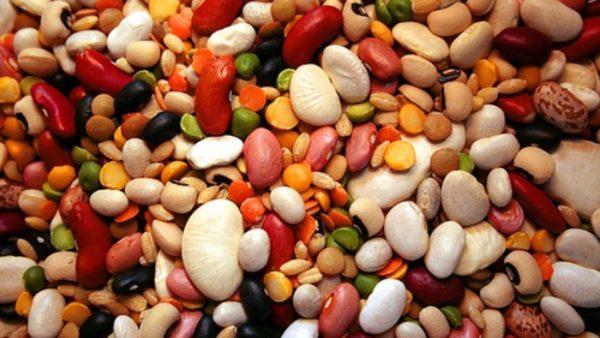
The use of legumes as part of a medical diet is strictly prohibited.
Features of a lipid-lowering diet
The purpose of this nutritional system is to stabilize weight, reduce the amount of cholesterol in the blood, and improve the functioning of the digestive system.
The main principle of the diet is variety. It is intended for continuous use and does not imply severe nutritional restrictions. Great as a daily diet after a strict health-care diet.

A lipid-lowering diet helps to normalize the activity of the digestive tract and reduce body weight
Features of a lipid-lowering diet:
- fractional meals, 5 to 6 times a day in small portions;
- drinking at least 2 liters of still water every day;
- emphasis on representatives of the family of cereals and fruits and berries with a high fiber content, at least 400 grams per day;
- reducing the amount of animal fat consumed;
- the main source of protein is poultry, cottage cheese and low-fat fish;
- moderate use of dairy products;
- the number of yolks is 3 pieces for 7 days;
- it is advisable to steam meat products;
- inclusion of seaweed and seafood in the diet;
- the permissible daily amount of bread is 200 grams, which is equal to 2 medium pieces.

Laminaria (seaweed)
You need to have dinner a few hours before going to bed, giving preference to protein dishes.
Table 6. List of Recommended and Prohibited Products
| Can | It is forbidden |
|---|---|
|
|
sugar; |

A lipid-lowering diet should be followed for at least 2 months
Approximate diet for 3 days
It is allowed to swap the indicated dishes and skip intermediate meals. It is also possible to replace products with analog ones with the same calorie content.
Day 1:
- Breakfast - cheese cakes and 1 glass of freshly squeezed juice.
- Second breakfast - fruit salad of persimmons, apples and pears.
- Lunch - steamed chicken fillet and boiled rice with a vegetable side dish.
- Afternoon snack - 2 slices of bread and 1 baked apple.
- Dinner - vegetable salad and red fish baked with lemon and basil.
Day 2:
- Breakfast - low-fat omelet and tomato salad with herbs.
- Second breakfast - vegetable salad with apple cider vinegar.
- Lunch - a soup of potatoes and carrots in a light broth, Greek salad and 1 slice of bread.
- Afternoon snack - low-fat yogurt with jam.
- Dinner - boiled fish fillet with mashed potatoes.
Day 3:
- Breakfast - wheat porridge cooked with pumpkin.
- Second breakfast - 1 boiled soft-boiled egg and a slice of bread.
- Lunch - steamed veal and vinaigrette.
- Afternoon snack - 2 bananas.
- Dinner - pasta with stewed chicken.
Daily 2 liters of water must be broken into 8 glasses and drunk either 30 minutes before a meal, or 1 hour after a meal. If you feel hungry before going to bed, you can quench it with 1 glass of kefir with a low percentage of fat, 1 carrot or a small apple. If your body requires sweets, you can consume sugar-free jelly, low-calorie crackers, oatmeal cookies, or dried fruit several times a week.

Dried fruits instead of sweets
Any surgical intervention is a great stress for the body. The operation is fraught with disturbances in metabolic and digestive processes, therefore, in the postoperative period, the patient must strictly adhere to a therapeutic diet. It will help you get enough nutrients and restore the functioning of the organs of the gastrointestinal tract.